
Please note: Reservations are required; walk-ins cannot be accommodated.
Please note: Reservations are required.
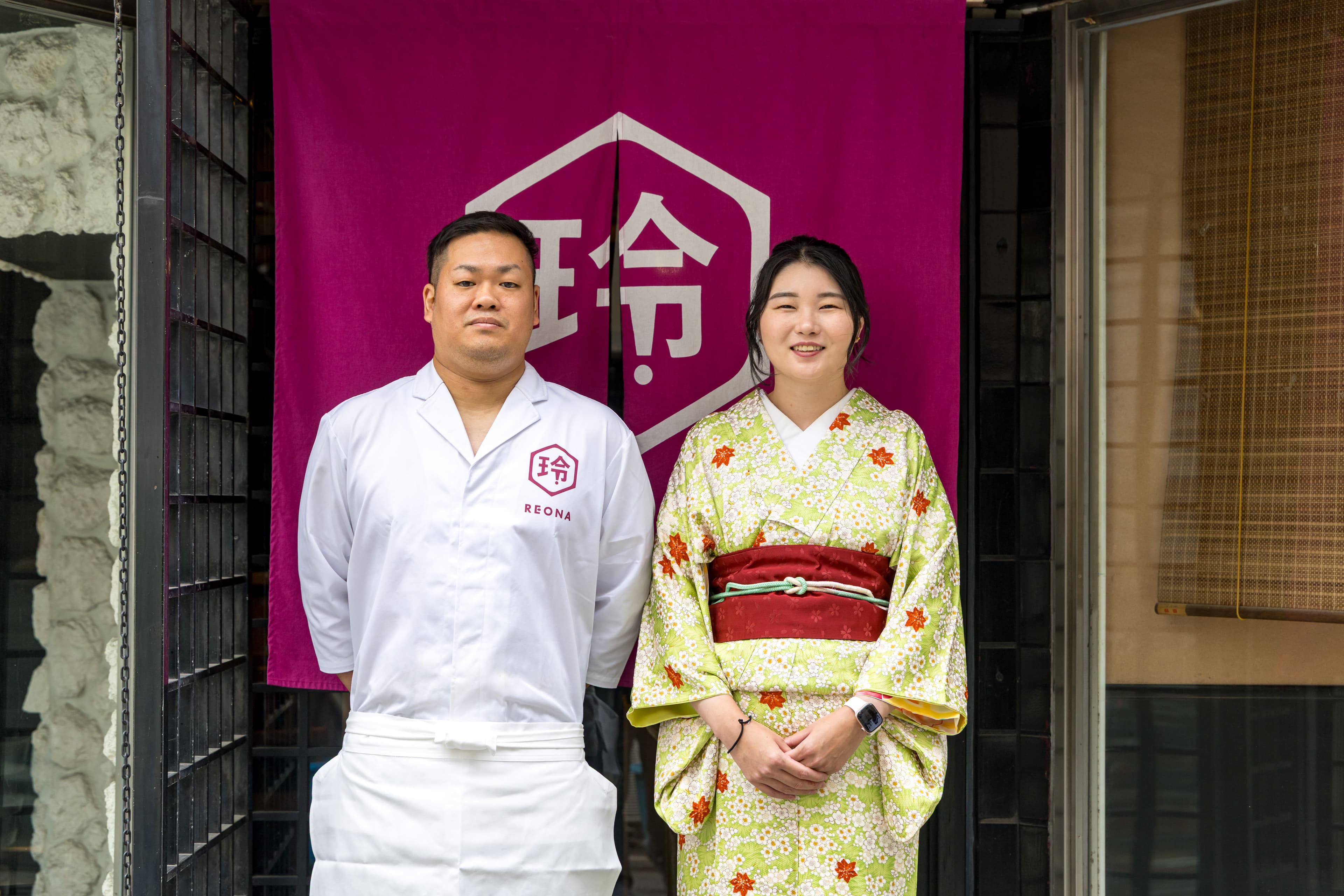

Tokyo is filled with sushi restaurants.
From luxury counters to small neighborhood spots, there are endless kinds of sushi restaurants across the city.
So why did we decide to create a sushi experience specifically for international guests here in Kanda? Because we wanted sushi in Japan to become more than simply “a good meal.” We wanted guests to leave feeling like they actually understood what they had eaten. Not just the taste, but the story, preparation, and culture behind it too.
Sushi Is Popular Around the World, but the Story Behind It Often Isn’t Shared
Today, sushi is eaten all over the world.

These days, almost everyone recognizes the word “sushi,” and in many countries it has become part of everyday life. There are countless local styles as well, each shaped by different cultures and tastes.
When talking with guests, California rolls and Philadelphia rolls come up quite often. Our navigator Kamei once even tried mango sushi in Canada. (We still wonder if it was inspired by mango sticky rice.)
Sushi has spread around the world in all kinds of ways. But sushi in Japan still feels a little different.
One reason is the amount of thought behind each piece.
Why is this fish delicious? Which part of the fish is it? How was it prepared? Was it cured, marinated, or lightly seared?

None of these things are especially complicated. But surprisingly, many people have never had them explained before. Of course, simply enjoying sushi without knowing every detail is perfectly fine. But once you begin understanding even a little, the experience changes a lot.
Even soy sauce can suddenly become interesting. At many sushi restaurants, the sauce used is “nikiri,” made by combining soy sauce with mirin and dashi. Compared to regular soy sauce, the flavor feels softer and more rounded.
When we explain that after guests try their first piece, we often hear reactions like: “So that’s why it tastes so smooth.” Moments like that completely change the way people experience sushi. For us, that is one of the most interesting parts of eating sushi in Japan.
Every Piece Has Its Own Story The concept of REONA Sushi Tokyo is simple: “Understanding Sushi.”

We care not only about serving sushi, but also about helping guests understand what makes each piece special. Even tuna changes dramatically depending on where it was caught and which cut is being served.
Many guests are surprised to learn that otoro, chutoro, and akami all come from the same fish. Some also discover for the first time that there are many other cuts beyond those famous names, each with completely different textures and flavors. Once guests start noticing those small details, sushi suddenly feels much deeper and more interesting.
Edomae sushi itself is actually very simple in many ways. Rather than relying on flashy techniques, the focus is usually on understanding the condition of the fish and bringing out its best qualities naturally.
The same goes for the sushi rice. Very small things, like temperature or how tightly the rice is shaped, can completely change the feeling of the sushi in your mouth. At first those differences may seem tiny. But once people notice them, they start seeing sushi differently.
One example is our rice comparison tasting. At REONA, our sushi rice includes vinegar, salt, and sugar. (The exact balance is a secret.)

Traditional Edomae-style sushi rice originally did not use sugar. When guests taste both side by side, many are surprised by how much difference that one detail creates. Just changing a single element can completely alter the flavor and overall impression. Discovering those differences is part of what makes sushi so fun.
During the course, we explain these things naturally in English while serving each piece. We try not to make the explanations sound too technical or academic. Instead, we want conversations at the counter to feel relaxed and easy to follow.
Many guests later tell us that understanding these small details made the meal far more memorable.
REONA Sushi Tokyo is a very small restaurant with only six counter seats.

If efficiency were our priority, we could easily add more seats. In fact, we could turn the kids’ room into additional counter space and welcome more guests every day. But keeping the restaurant small is important to us.
Because the smaller the space is, the easier it becomes to communicate naturally with each guest. With only a few guests at a time, we can adjust explanations depending on their interests and reactions.
Sometimes conversations move from sushi into sake, Japanese seasons, or regional food culture. Other times, guests ask about daily life in Japan or about the chef’s and navigator’s own backgrounds. None of those conversations are planned beforehand. The atmosphere changes completely depending on who is sitting at the counter that day.
When guests tell us it is their first trip to Japan, conversations often expand into recommendations for Kyoto or Osaka as well. (Both our chef and navigator are originally from Kansai, so this topic comes up often.)
Guests who enjoy sake also tend to ask for recommendations, which naturally leads into longer conversations about breweries and flavor preferences.

And because the restaurant is small, our staff also has enough flexibility to spend time with children when things are calm. Even while working, I often find myself wondering what kind of guests we will meet that day. That closeness creates a very different atmosphere from larger restaurants. With only two or three groups at a time, guests usually feel comfortable asking questions and talking freely throughout the meal.
People are not only eating sushi.
They are enjoying the atmosphere around the counter itself.
That feeling of spending meaningful time together is also something we value very deeply.

Through sushi, we hope guests become interested in Japanese culture as a whole. Sushi is probably one of the most internationally recognized parts of Japan. When asking overseas guests what Japanese words they know, “sushi” is often one of the first answers. Because of that, sushi can become a doorway into much broader parts of Japanese culture and ways of thinking.
Why does Japan care so much about seasonality? Why do chefs focus so heavily on bringing out the natural character of ingredients?
Once people begin noticing those ideas, they often start seeing Japan differently as well.
Since opening REONA, I have personally come to feel that Edomae sushi strongly reflects the culture of old Edo. One idea that especially represents this is the Edo-period concept of “iki.” It is difficult to translate directly into English, but it carries a sense of natural elegance and refined simplicity.
For example, many people have heard that sushi should be eaten immediately after it is served. Of course, one reason is that sushi tastes best at that exact moment. But historically, there was another reason too. In Edo culture, eating sushi smoothly and naturally, without unnecessary hesitation or exaggerated movement, was considered “iki.”

When guests learn these kinds of cultural backgrounds, sushi starts becoming something more than just food. It becomes connected to history, culture, and the spirit behind Edomae sushi itself.
We hope the time guests spend at REONA helps them understand Japan a little more deeply. And hopefully, it becomes one of the memories that makes them want to visit Japan again someday. We believe those small moments and conversations can slowly become connections between Japan and the rest of the world.
Sushi is not simply food.
For us, it is also culture, communication, and hospitality. That is why we want to continue creating moments that go beyond simply saying:
“That was delicious.”
From “eating” to “understanding.”
That is what we hope to share from our small counter in Kanda.