
Please note: Reservations are required; walk-ins cannot be accommodated.
Please note: Reservations are required.
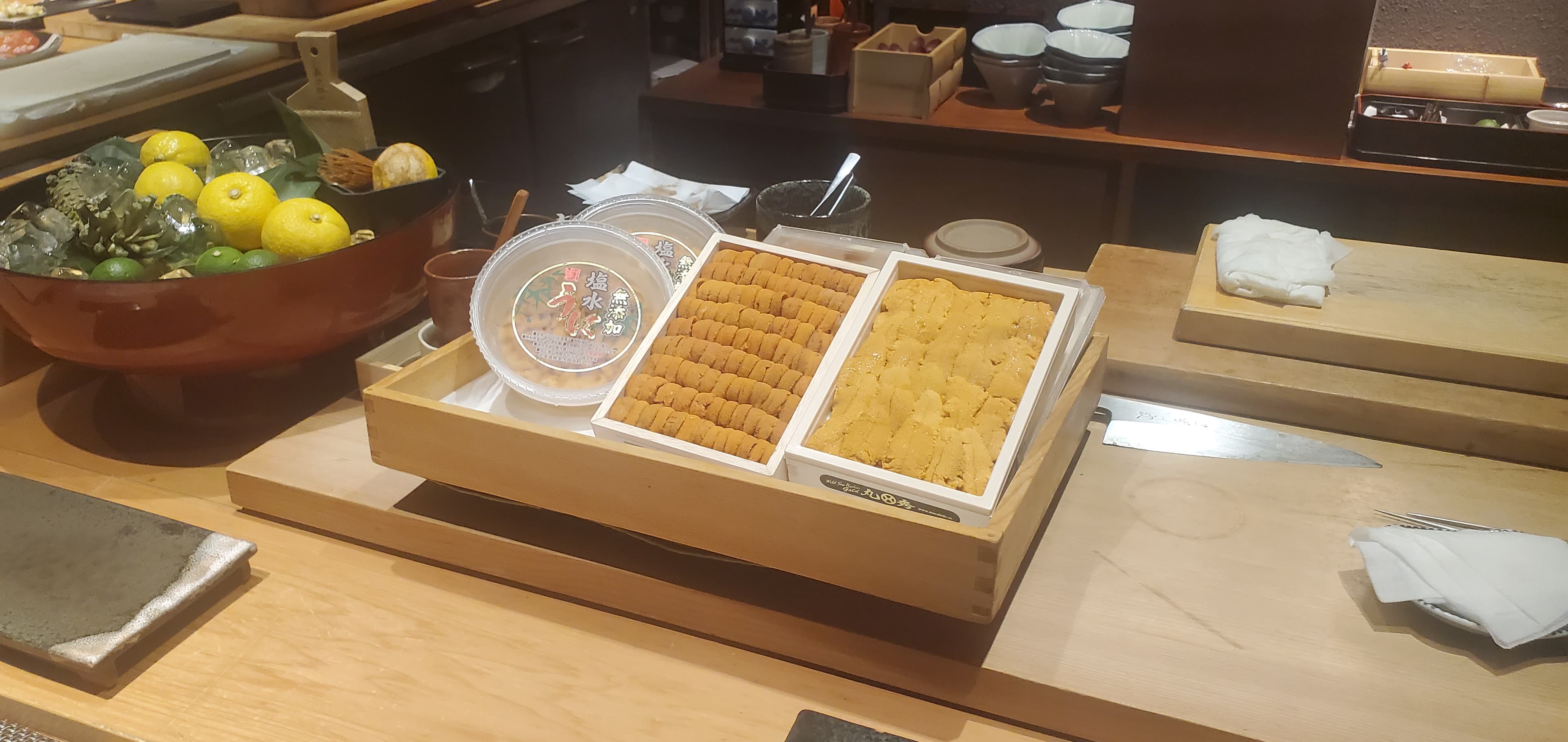

“I don't like uni.”
If you guide international guests through a sushi experience long enough, you hear that sentence quite often.
Many guests love tuna. Many enjoy shrimp. Some are adventurous enough to try almost anything.
But uni is different.
For some reason, it tends to divide people.
Recently, we welcomed a guest from overseas who told us exactly that before the meal began.
“Everything looks great. But I should tell you, I really don't like uni.”
By the end of the evening, that same guest had finished the entire piece and was smiling.
“That's completely different from any uni I've ever had.”

What happened in between was interesting.
When we ask guests about food preferences, we often hear stories.
Sometimes a guest dislikes an ingredient because of a childhood experience.
Sometimes it is because of an allergy.
In this case, the guest had tried uni before in another country and simply didn't enjoy it.
According to them, it tasted overly strong and had an unpleasant smell.
Since then, they had avoided it whenever possible.
To be honest, even in Japan, uni is not universally loved.
Some people adore it.
Others cannot understand why it is considered a luxury ingredient.
Many people first encounter uni through lower quality products, where bitterness and strong flavors can become the dominant impression.
Once that impression forms, it can be difficult to change.
Of course, there is nothing wrong with having preferences.
If someone dislikes something, we never try to force them to eat it.
But before serving the uni that evening, we decided to spend a few minutes talking about it.
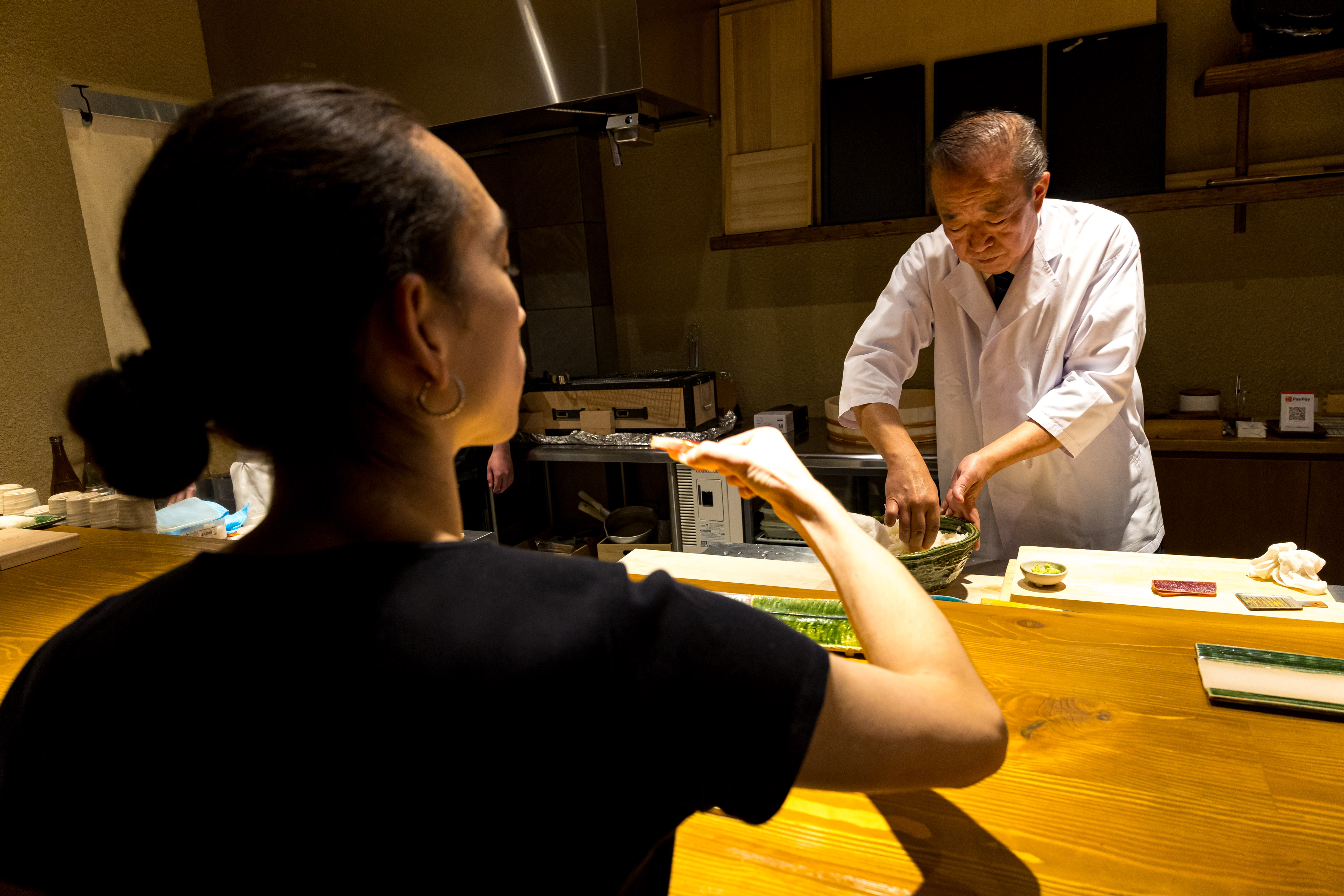
One thing we try to do at REONA is explain the story behind the ingredients.
Not because guests need a lecture.
But because understanding often makes an experience more enjoyable.
That evening, we talked about the uni we had selected.
Where it came from.
Why that particular region is known for producing excellent uni.
Why Japanese chefs value it so highly.
How quality can vary dramatically from one product to another.
Many guests are surprised when they learn how expensive top quality uni can be.
The difference between average uni and exceptional uni is not small.
In some seasons, the price can be ten times higher or more.
As we talked, something changed.
The guest stopped looking at the uni as the ingredient they disliked.
Instead, they became curious.
Why do Japanese people love this so much?
What makes one uni different from another?
Why is it considered special?
You could almost see the shift happen.
Eventually the uni was placed in front of them.
The guest laughed nervously.
We told them not to worry.
“If you still don't like it, that's completely okay.”
They picked it up.
Took a bite.
Paused.
Then looked up.
The expression on their face said everything before they even spoke.
A few seconds later they smiled.
“This is completely different.”
Then they laughed.

“I don't know what I was eating before, but it wasn't this.”
Everyone at the counter laughed with them.
Moments like that are always memorable.
Not because someone suddenly starts liking a particular ingredient.
But because they discover something unexpected.
People often assume that what happened was simply a result of higher quality uni.
That is certainly part of it.
We take great care when selecting ingredients, and the uni we serve is something we are proud of.
But I don't think quality alone explains the reaction.
The guest didn't just eat a piece of uni.
They learned about it first.
They became curious about it.
They understood why it was being served.
By the time they took that bite, it was no longer just an unfamiliar ingredient.
It had become part of a story.
I think that matters more than many people realize.
Uni is not the only ingredient that creates this kind of reaction.
There are several pieces in our omakase that many international guests have never tried before.
Kohada is one.

Nodoguro is another.

Hirame prepared with kombu is another.
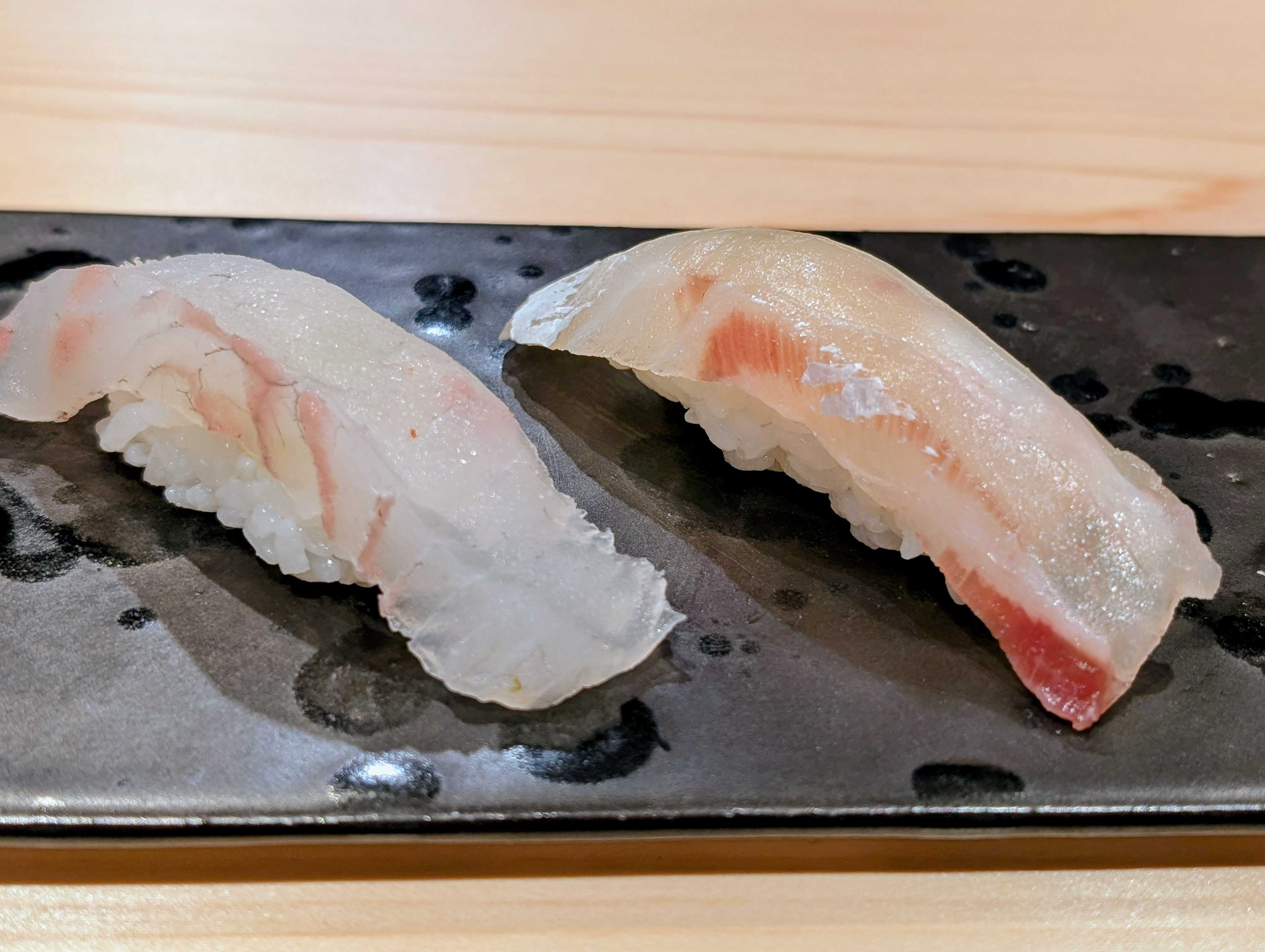
Many guests have never even heard these names before arriving.
Whenever that happens, we try to explain as much as we can.
Where does it come from?
Why is it important in Edomae sushi?
Why is it difficult to find outside Japan?
Why does the chef prepare it this way?
Once guests understand those things, they become much more comfortable trying something new.
Interestingly, nodoguro often becomes a favorite.
Many guests arrive not knowing what it is.
Then at the end of the meal they tell us it was the best piece of the night.
At the end of the evening, the guest who disliked uni said something that stayed with us.
“I think I'll remember today as the day I learned to enjoy uni.”
That sentence perfectly captures what we hope to create.
Of course we care deeply about the quality of our sushi.
But we also believe that great food experiences are about more than taste.
Sometimes a conversation changes the way you experience an ingredient.
Sometimes understanding creates appreciation.
Sometimes something you thought you disliked becomes one of the strongest memories from your trip.
And occasionally, a piece of uni becomes much more than a piece of uni.