
Please note: Reservations are required; walk-ins cannot be accommodated.
Please note: Reservations are required.
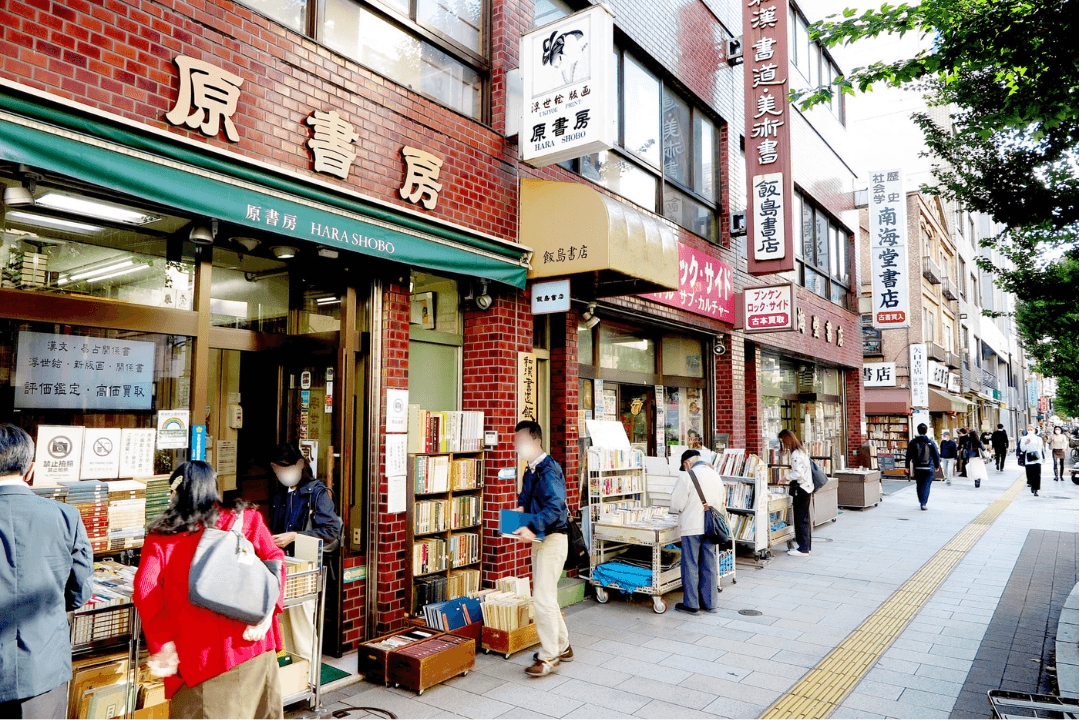

Jimbocho sits in the center of Tokyo, close enough to reach from Tokyo Station on foot. The neighborhood is known for one of the world’s great concentrations of used bookstores. Step out of the subway station and you’ll see shops specializing in literature, art, manga, fashion, academic books, film, music, architecture and many other fields.
Book lovers still come here every day, and so do young people looking for the area’s retro atmosphere.
But Jimbocho is not only about books.
The neighborhood has many restaurants that have been loved by locals for a long time. Sushi, tempura, yoshoku, curry, yakiniku, cafés and other places with real history and flavor are still here.
When I was in high school, I used to come to Jimbocho to look for manga. Also for the game arcades. These days, I come here for good food.
I was born and raised in Tokyo, and through REONA Sushi Tokyo and MagicalTrip, I’ve spent many years creating experiences that introduce Tokyo culture to guests from overseas. One reason I like Jimbocho so much is that its real charm remains in the streets and restaurants that local people have kept using in their daily lives.
Writers, students, editors, office workers and local shop owners have all used this neighborhood as part of their everyday life. Many of the places here have survived because those people kept choosing them. And this is right in the center of Tokyo.
Jimbocho still doesn’t have too many tourists. I really recommend visiting while it still feels this way.
 Souce:VISIT CHIYODA(https://visit-chiyoda.tokyo/app/spot/detail/50)
For book lovers, Jimbocho is one of Tokyo’s most rewarding neighborhoods to wander through.
Rare first editions, out of print books, academic texts, old maps, Ukiyo-e prints, manga, foreign books and other materials that are hard to find in ordinary bookstores are gathered here. And many of them are surprisingly reasonably priced.
You can search for books in fields you already like, or you can buy a book with a beautiful retro cover as an interior piece. Ukiyo-e prints and old pictures can also make good souvenirs from Japan. Some inexpensive pieces are under 10 dollars.
Each bookstore in Jimbocho has its own specialty, shaped by the owner’s eye and the history of the neighborhood. Here are some shops worth visiting, organized by genre.
 Source:Official site(https://www.yamada-shoten.com/onlinestore/store.php)
Yamada Shoten is a long established shop specializing in Ukiyo-e and prints. If you are interested in Japanese art, this is a place I recommend visiting.
Ukiyo-e is a form of Japanese painting and print culture that developed from the early 17th century to around the mid 19th century. It shows the lives, customs, actors, famous places and beautiful women of the time, and it is an important window into Edo period popular culture.
Inside the shop, well preserved Ukiyo-e and prints are displayed almost like a gallery. It is enjoyable even just to look around, whether you are seriously considering a purchase or simply want to touch a part of Japanese art culture.
 Souce:VISIT CHIYODA(https://visit-chiyoda.tokyo/app/spot/detail/438)
If you are interested in Japanese history and culture, Ohya Shobo is another shop worth visiting.
The store handles academically valuable materials such as old Japanese books, old maps and Ukiyo-e from the Edo period through the modern era.
Wahon are books made using traditional Japanese binding methods. Even if you cannot read the text, you can still appreciate Japanese aesthetics and history through the texture of handmade washi paper, the binding, the cover decoration and the feel of the ink.
Spending time with old maps and wahon while thinking about Japanese history is a special experience that feels very specific to Jimbocho.
 Source:Official site(http://www.yumeno-manga.com/index.html)
This is my favorite shop! Yumeno Manga Bookstore is a used bookstore with a wide selection of manga from the late 20th century through the 21st century. Many out of print works and hard to find titles are on the shelves.
For anyone interested in Japanese manga culture, it is a very fun place. The sight of manga stacked from the entrance almost up to the ceiling is impressive, and you can also find goods, posters and signed items related to various works.
The word “otaku” has spread as a Japanese term for people with a deep passion for subcultures such as anime, manga and games. In this shop, you can feel the depth of that subculture.
It is a good stop for travelers who want to experience Japanese manga culture, collectors looking for rare items, or anyone searching for nostalgic classics.
 Source:Official site(https://www.magnif.jp/)
Magnif specializes in vintage fashion magazines and brand catalogs.
The shop carries a wide range of material, from haute couture magazines to street fashion publications. By holding old magazines in your hands, you can feel how design, style and advertising changed from one era to another.
Designer interviews, old advertisements, limited editions and first editions are also available, making the shop valuable for fashion students, stylists, designers and researchers.
Magnif shows that Jimbocho’s used bookstore culture is not limited to literature and academic books. It has also preserved fashion culture.
 Source:Official X(https://x.com/atwonder)
@Wonder is a used bookstore specializing in science fiction and mystery novels, as well as materials related to 20th century subculture such as film, anime, games and American comics.
Under the concept of a “memory device of the 20th century,” the shop carries rare foreign editions, signed books, vintage movie posters, magazines, pamphlets, flyers and other items that are hard to find elsewhere.
There is also a café on the second floor, which is part of the charm. You can spend time with books before buying them.
For anyone interested in science fiction, mystery, film, anime, retro design or 20th century culture, this is a shop where you can feel the depth of Jimbocho.
 Souce:VISIT CHIYODA(https://visit-chiyoda.tokyo/app/en/spot/detail/837)
Kitazawa Bookstore is a charming shop for people who like foreign books and academic texts.
Inside the warm wooden interior, you’ll find English books and research materials. The selection covers philosophy, history, literature, old picture books and academic materials across many fields.
The shop is also well regarded at international antiquarian book fairs, and researchers and students trust it as a place to find materials that are difficult to locate in ordinary bookstores.
It is recommended for anyone who wants to spend time carefully looking through foreign books and specialist titles.
After you find a book in Jimbocho, I recommend taking it to a nearby café and reading it there.
Jimbocho has many well known retro cafés. Why? Because Jimbocho has long been a publishing district, and cafés developed as places where writers and people from publishing houses could meet and talk. Enjoying coffee and a book in an old Japanese café is one of the real pleasures of Jimbocho.
I also want visitors to try the café dishes and drinks that developed in Japan’s kissaten culture. Cream soda, azuki butter toast and other charming, delicious items you may have never seen before are part of the fun.
 Source:Official X(https://x.com/sabor_jimbocho)
Sabouru is one of Jimbocho’s most iconic cafés, loved by many people over the years.
Its exterior looks almost like a mountain lodge, and once you step inside, folk crafts and decorative objects from around the world fill the space. The warmth of the wood makes you forget the noise of the city.
The menu includes classic kissaten items such as cream soda and pizza toast. My personal recommendation is the strawberry juice. It is made with fresh strawberries and has a pulpy texture and natural sweetness, making it perfect for a break while walking around Jimbocho.
It is a good place to rest during a bookstore walk while feeling an older side of Tokyo’s café culture.
 Source:Official facebook(https://www.facebook.com/trois.bagues1976)
Trois Bagues is a historic café established in 1976.
Its signature is aged coffee, made from carefully matured beans and brewed one cup at a time with a nel drip after you order.
Inside, the soft lighting and wooden interior create a quiet space where time seems to slow down. There are counter seats and tables, and it is comfortable even if you visit alone.
Light meals such as gratin toast and sandwiches are also available. My personal recommendation is the azuki butter toast. It is a retro Japanese sweet in the form of toast, combining plenty of sweet red bean paste with thick butter.
This is a good café when you want to drink coffee quietly between bookstore visits.
 Souce:VISIT CHIYODA(https://visit-chiyoda.tokyo/app/spot/detail/882)
Milonga Nueva is another old café, open since 1953. Argentine tango plays inside, and more than 500 records are still played on a turntable.
The warmth of analog sound and the aroma of coffee come together, creating a slow and relaxing atmosphere.
The coffee is also carefully chosen, including the charcoal roasted Milonga Blend and other beans with different characters. The calm wooden interior and the rich sound of records make it appealing both for music lovers and coffee lovers.
It is a good place whether you want to read quietly or spend time listening to music.
Now let’s move to the part I personally want to talk about most. Food.
Jimbocho is one of Tokyo’s best neighborhoods for serious everyday food.
Writers, editors, researchers and artists who gathered in Jimbocho were people with a strong sensitivity to culture. That also means many of them cared deeply about food.
They were not looking for the expensive, the flashy or the fashionable. They wanted food with real substance.
That is why many restaurants in Jimbocho did not try to compete with the tourist oriented glamour of Ginza. Instead, they kept refining everyday dishes and competed through taste and price.
 Source:Tabelog(https://tabelog.com/tokyo/A1310/A131003/13000419/)
It may be a little difficult for travelers to visit, but Tsuruhachi is a place I want to introduce.
This small sushi restaurant has long been loved by sushi connoisseurs in Jimbocho, and it is a traditional Edomae Sushi restaurant.
It has only seven counter seats inside a small standalone building, where you can watch the chef’s work up close.
The sushi technique and flavor are highly regarded even within Tokyo. When food lovers talk about notable sushi restaurants in Jimbocho, Tsuruhachi is a name that often comes up.
Compared with high end sushi restaurants in Ginza, the price is relatively modest, so it is a good choice for people who want to enjoy serious Edomae Sushi in a calm setting.
Photography is not allowed inside. Only those who actually visit can experience the quiet atmosphere and the chef’s beautiful movements.
I believe English support is not available.
If you can ask your hotel concierge to make a reservation, it may be worth being brave and trying it.
 Source:Official site(https://hisihitani-jinboucho.com/index.html)
The next place is easier for travelers to enter. English support is not perfect, but there is an English menu, and more than anything, the restaurant is very friendly.
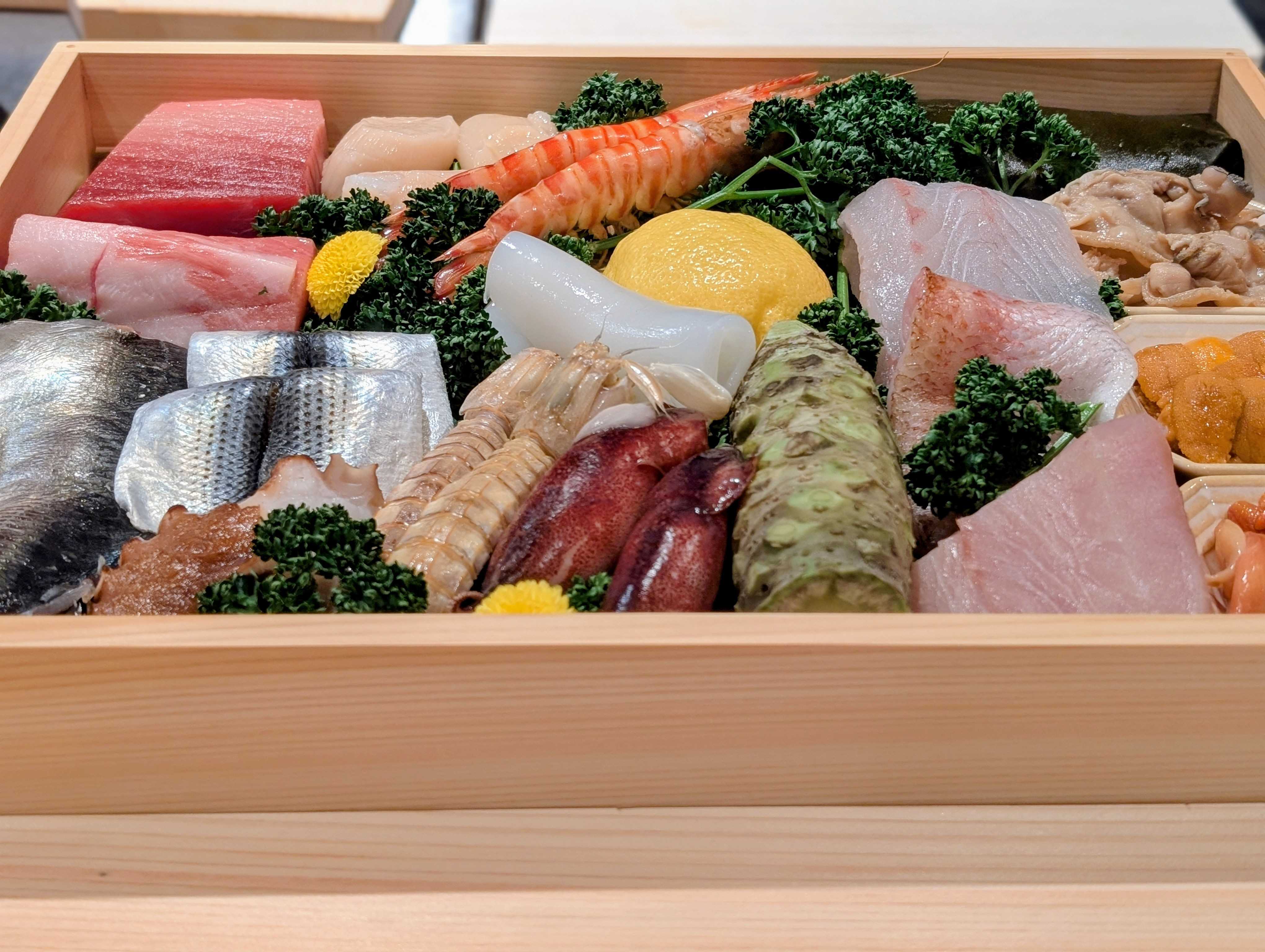
Hishitani is known locally in Jimbocho as a place for good sushi and fish dishes.
It is connected to chefs who were highly regarded at the former Tsukiji Market, and you can enjoy fresh seafood dishes in a calm space. The restaurant is small, but comfortable, and it is easy to visit alone.
The menu changes depending on the day’s ingredients, so ordering may be difficult if you do not understand Japanese. But there is usually a set with the day’s recommended sushi and sake, and if you order that, you should be fine.
I go there myself, and the food is truly excellent. Even though it offers the kind of authentic flavor you might expect from a high end Japanese restaurant, the prices are relatively reasonable. That is why it is strongly supported by local regulars.
 Souce:VISIT CHIYODA(https://visit-chiyoda.tokyo/app/spot/detail/338)
Next, I want to introduce a historical shop.
Sasamaki Kenuki Sushi is a long established sushi shop founded in 1702.
It is one of the oldest sushi shops in Tokyo.
What you can taste here is a traditional form of sushi called sasamaki sushi.
Unlike today’s nigiri sushi, this sushi is wrapped in bamboo leaves. You could think of it as a prototype of sushi.
In the past, sushi was also something people could buy casually, carry with them, and eat while walking or taking a short trip. This shop gives you a sense of that early form of sushi. Bamboo leaves also have antibacterial properties, so this was a practical way to help preserve the sushi.
That said, both the appearance and the flavor are completely different from the sushi you may be imagining.
It may not be easy for everyone to eat, but if you have come all the way to Tokyo, tasting one of the city’s oldest forms of sushi can be a good experience.
It is also close to REONA Sushi Tokyo, and we are proud to have our restaurant near one of Tokyo’s oldest sushi shops.
Next is tempura. Along with sushi, tempura is one of the representative foods of Tokyo’s popular food culture.
Jimbocho has two very famous tempura restaurants, so I’ll introduce them here.
Tempura may have an image of being expensive, but both of these places are very down to earth.
 Souce:VISIT CHIYODA(https://visit-chiyoda.tokyo/app/spot/detail/855)
Kanda Tempura Hachimaki is a long established tempura restaurant founded in 1931. It has been loved by many cultural figures, including Edogawa Rampo, who is often described as the father of Japanese detective fiction.
The interior, decorated with photos and signatures of Japanese cultural figures, feels truly traditional.
It does not have the atmosphere of an expensive Japanese restaurant. It feels more like a restaurant for ordinary people.
My recommendation is the shrimp tendon available only at weekday lunch. Three large shrimp are fried in crisp batter, placed on top of rice and finished with the restaurant’s secret sauce. If you want to enjoy real tempura at a reasonable price, I recommend visiting during weekday lunch.
There will probably be a line, but it is very much worth waiting for.
 Souce:Yahoo!Map(https://map.yahoo.co.jp/v3/place/dzYiBqRQg9A/photo)
Imoya Annex is another famous tempura restaurant in Jimbocho, alongside Hachimaki. It is not a luxury restaurant. It has long supported Jimbocho’s food culture by serving real tempura at reasonable prices, and students have loved it too.
The main shop closed in 2018, but its flavor has been passed down to Imoya Annex.
Japan has a tradition called noren-wake. It is a system in which a shop that has been allowed to become independent from the original shop continues to operate under the same name or sign. Imoya Annex carries on that kind of inherited flavor.
The tempura brings out the sweetness of vegetables and the umami of seafood. Each piece is carefully fried and served hot. Even though the price is accessible, the care toward ingredients and cooking has not changed.
There may also be lines here during lunch.
It is recommended for people who want to enjoy real tempura in a casual setting.
Yoshoku is a local category of food that developed when Japanese people adapted Western dishes to Japanese tastes.
If you are tired of eating only traditional Japanese food, please try it.
As a Japanese person, I think it is easy for almost anyone to enjoy, and many dishes are also original in a way that makes them fun.
And within yoshoku, one of the major categories is Japanese curry. Rather than simply calling it curry, we usually call it curry rice. It is also common as a home cooked dish, and it is something almost everyone in Japan loves.
Jimbocho has many famous curry rice restaurants. Curry rice lovers come here from all over Japan.
 Source:Official site(https://www.luncheon.jp/)
Beer Hall Luncheon is a long established yoshoku restaurant founded in 1909. It has been open for more than 100 years. In other words, it has been popular since the period when Western food entered Japan and yoshoku became established as its own category.
Inside, the wooden furniture, classic decorations, red brick walls and old posters create a warm nostalgic atmosphere.
Its signature dishes, such as omurice and beef stew, are classic examples of Japanese yoshoku culture. They are seriously good.
As the name suggests, Beer Hall Luncheon is also known as a beer hall, and the draft beer carefully poured by the fourth generation owner, Hiroshi Suzuki, is highly praised by many customers.
If you get hungry while walking around the used bookstore district, enjoying yoshoku and beer in this historic space is a very Jimbocho way to spend time.
 Source:Official site(https://bondy.co.jp/web/contents/home.html)
Bondy is a famous restaurant that almost every curry rice lover knows.
Its beef curry is especially popular. The beef is simmered slowly until tender, with a texture that almost melts in your mouth. Finely chopped cheese is placed on the rice, and when it mixes with the curry sauce, it gives the dish a mellow flavor.
Japanese curry developed in its own way through a mix of Indian spice culture and European cooking techniques. Bondy’s curry is one of the best known examples.
There may be a line even before the restaurant opens, but it is still one of the representative Jimbocho restaurants worth trying at least once.
Jimbocho is very easy to reach from many parts of Tokyo. Several train lines and stations are nearby, and you can walk from the following stations.
Because it is so convenient, it is easy to combine Jimbocho with Tokyo Station, the Imperial Palace, Akihabara or Ochanomizu.
There are many interesting areas around Jimbocho that you can visit together with a bookstore walk.
Here I’ll introduce Ochanomizu, known for Western style architecture and music instrument shops, and the Imperial Palace, where you can enjoy spacious grounds and nature.
 Souce:VISIT CHIYODA(https://visit-chiyoda.tokyo/app/spot/detail/497)
Ochanomizu is known as a student area with many universities, but it is also a neighborhood with many historical buildings.
Beautiful Western style churches, retro buildings and modern architecture stand side by side, so you can enjoy the different faces of the city just by walking.
Ochanomizu is also famous for its musical instrument district. Shops selling guitars, string instruments, wind instruments and many other types of instruments line the streets, drawing music lovers from all over Japan.
Just a short walk from Jimbocho’s calm bookstore district, you can feel student energy and the heat of music culture. That is the charm of Ochanomizu.

The Imperial Palace is a special place in the center of Tokyo. It is the residence of Japan’s Imperial Family, and history and tradition still live there.
The moats and stone walls around the large grounds still hold traces of Edo Castle. The gardens and natural scenery change with the seasons and give visitors a quiet sense of calm.
The carefully maintained pine trees, beautiful bridges and still waters show a kind of beauty often associated with Japanese gardens.
The Imperial Palace is easy to reach from Jimbocho, and it is a good place for a walk after enjoying the bookshops and cafés.
That is my introduction to Jimbocho, one of my favorite neighborhoods.
My home is in Shibuya, and Shibuya and Shinjuku are also very Tokyo. Tourist areas such as Asakusa and Ueno show another important side of the city.
But if you have a chance to be near Tokyo Station, the Imperial Palace, Akihabara or Ochanomizu, I hope you’ll take a short detour to Jimbocho.
Jimbocho has a historic popular culture and intellectual atmosphere that are hard to find in other neighborhoods. Books, cafés, sushi, tempura, yoshoku and curry still remain here in a quiet, unflashy way.
And if you have time, I would be happy if you make a reservation at REONA Sushi Tokyo.
At REONA Sushi Tokyo, we do more than serve good omakase. We offer an experience that helps guests understand why sushi tastes the way it does, and what kinds of techniques and traditions are behind it, while they eat.
What I have always valued at MagicalTrip is not surface level sightseeing, but experiences that let people get a little closer to the people and culture of a place. The same idea is behind REONA Sushi Tokyo.
I want guests to enjoy sushi not only as an expensive meal, but also as an entry point into Japanese food culture.
Jimbocho is one of the world’s largest used bookstore districts, but it is also a neighborhood where Tokyo’s food culture and café culture run deep.
Looking for books in used bookstores, drinking coffee in old cafés, eating sushi, tempura, yoshoku and curry. Each of these can become a way to understand Tokyo’s culture.
If you want to see a Tokyo that has not been overly arranged for tourism, but has been loved by local people for many years, Jimbocho is a neighborhood I really recommend.
It is in the center of Tokyo, yet it is quiet, intellectual and full of depth when it comes to food. Walk through Jimbocho, and Tokyo may begin to look a little different.