
Please note: Reservations are required; walk-ins cannot be accommodated.
Please note: Reservations are required.
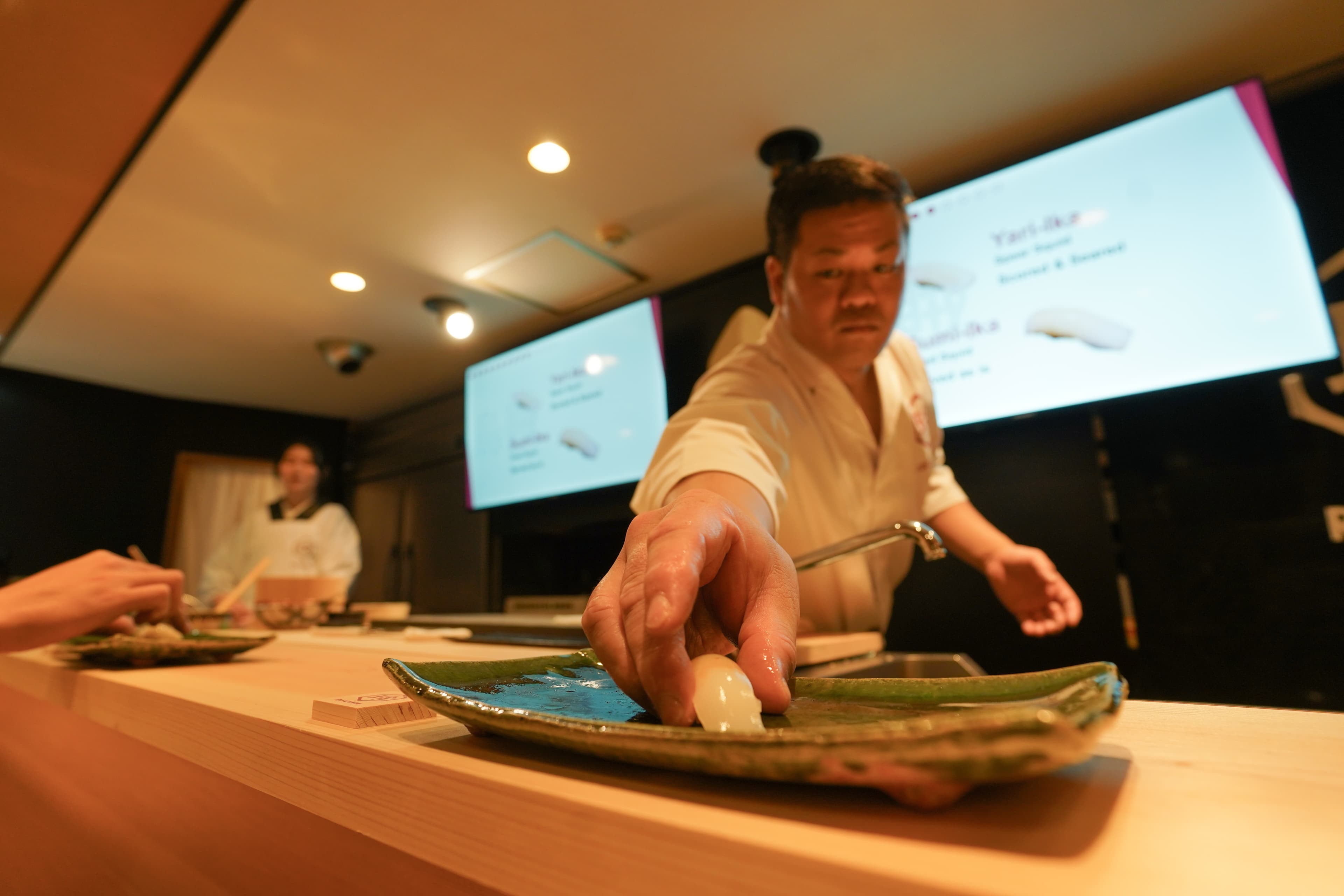

When planning a trip to Tokyo, many international travelers put "eating sushi" at the top of their bucket list.
With countless sushi restaurants across the city, finding a place to eat is easy.
However, surprisingly few visitors leave Japan having experienced what we would truly call a Tokyo Sushi Experience.
Why is that?
Because to us, sushi is much more than food. It is an experience that brings together Japanese culture, craftsmanship, hospitality, and even the way it is enjoyed.
Today, sushi is loved all over the world.
Yet the traditional Edomae sushi served in Japan is quite different from the "Sushi" that many people know overseas.
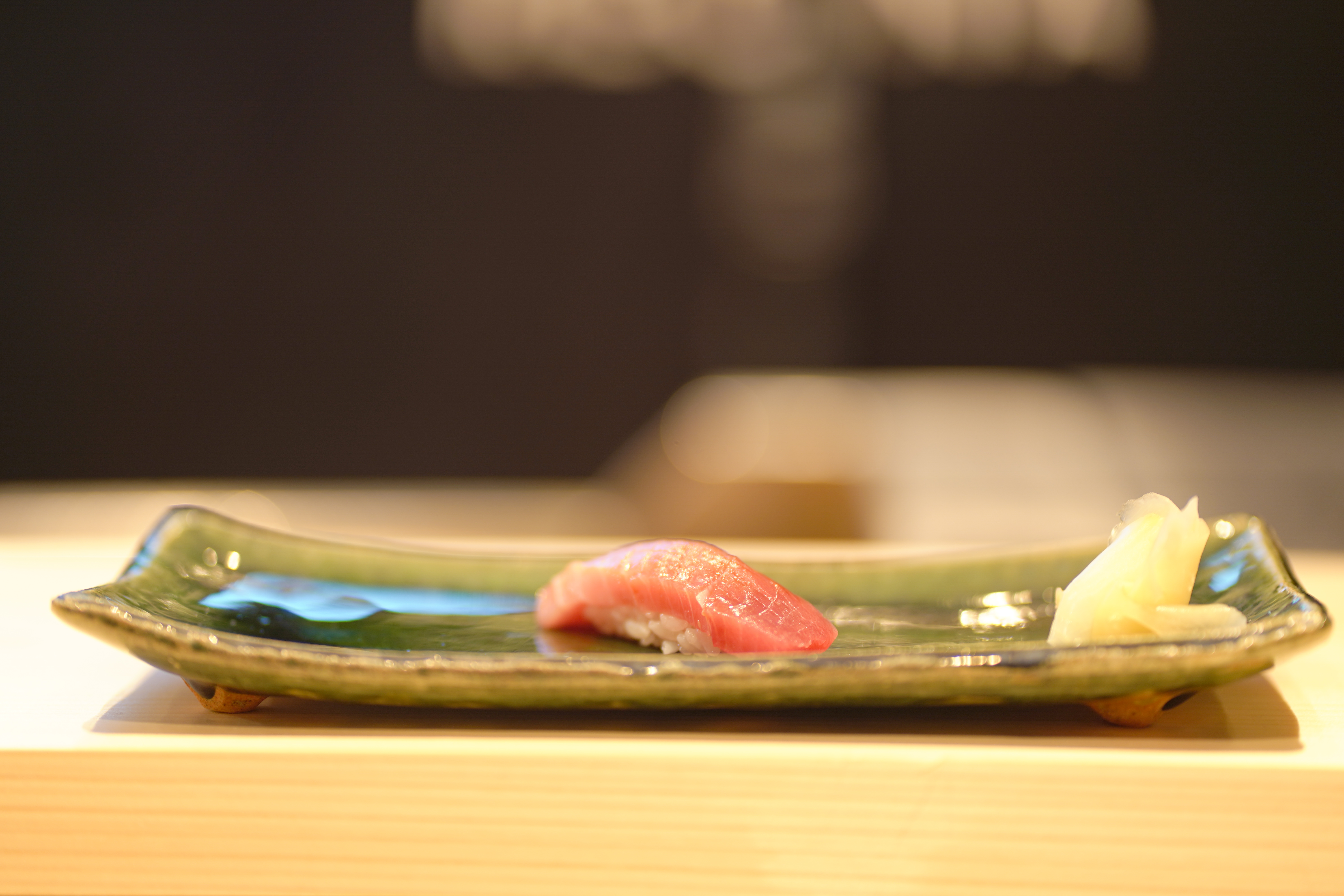
One comment we hear from guests after their meal always makes us smile:
"The sushi I had back home wasn't really sushi..."
At REONA Sushi Tokyo, we welcome guests from around the world almost every day.
Over time, we've noticed several comments that come up again and again.
"I thought I loved sushi, but I didn't truly understand it until I came here."
"This is completely different from the Sushi I had in my country."
"I always thought sushi was simply raw fish on top of rice."
Interestingly, what surprises people most isn't the fish itself.
It's the philosophy, traditions, and craftsmanship behind every piece.
One of the most common questions we receive at the beginning of our omakase course is:
"Why isn't there any salmon?"
Outside Japan, salmon is one of the most iconic sushi toppings.
Many visitors naturally assume that Japan, being famous for sushi, must serve the world's best salmon sushi.
However, in traditional Edomae sushi, salmon has never been the main attraction.
Instead, ingredients such as tuna, gizzard shad (kohada), and seasonal white fish have long played central roles.
As the course progresses, something interesting begins to happen.
Guests gradually stop asking about the fish itself and become fascinated by the chef's techniques.
"What is on top of this fish?"
"Why shouldn't I dip this one in soy sauce?"
"How can two pieces of tuna taste completely different?"
By the end of the meal, some guests tell us,
"I feel like I wasn't just eating fish—I was tasting craftsmanship."
In this article, we'll explore what makes an authentic Tokyo Sushi Experience, explain the unique appeal of Edomae sushi, and share why understanding the culture behind sushi can completely transform the way you experience it.
Sushi has become one of the world's most popular Japanese foods.
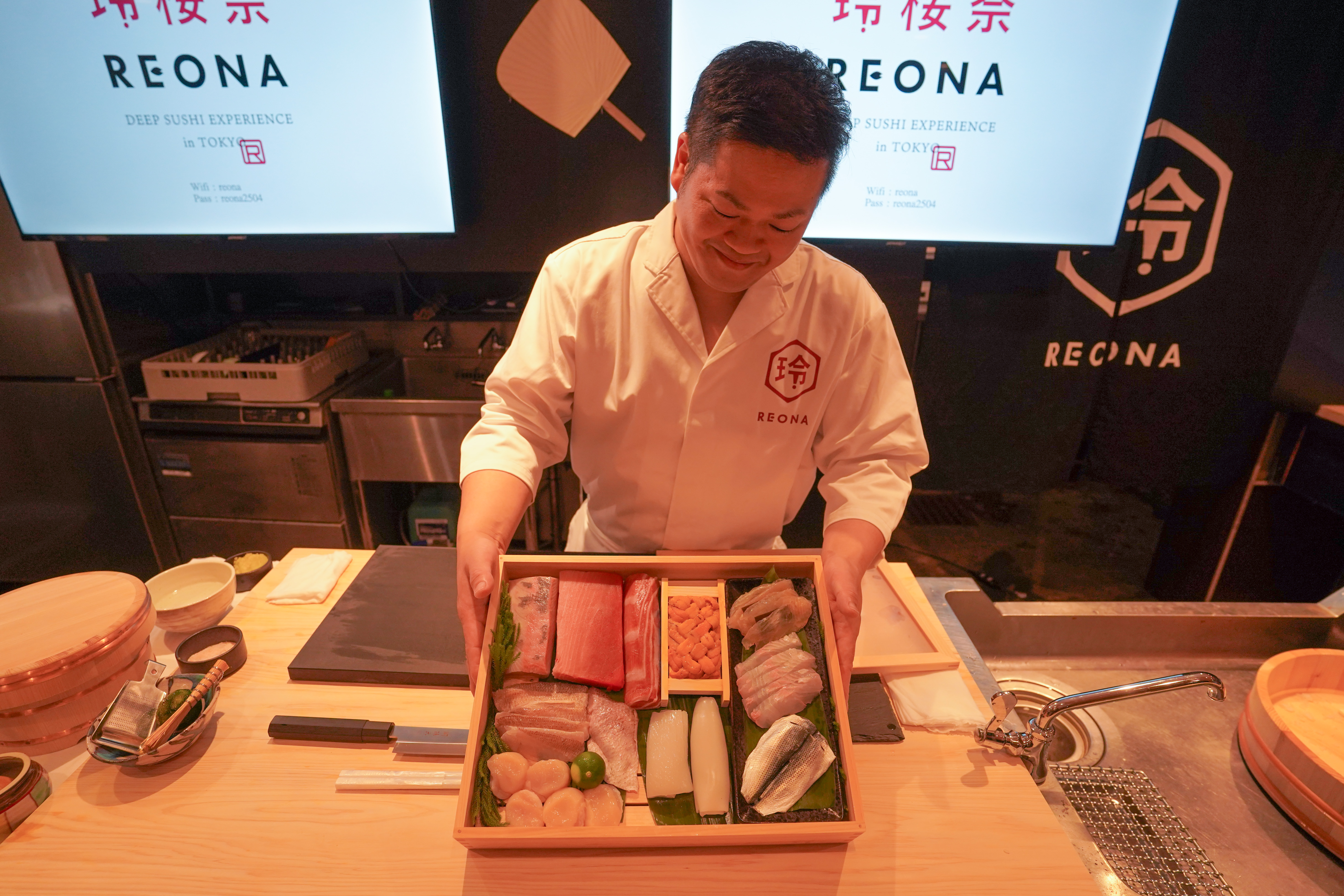
Today, it's easy to find sushi restaurants throughout North America, Europe, and across Asia.
However, the Sushi commonly enjoyed overseas is quite different from traditional Edomae sushi in Japan.
In many countries, sushi rolls are the standard.
Creative combinations using avocado, cream cheese, spicy sauces, and various fillings have evolved to match local tastes and have become a beloved cuisine in their own right.
Edomae sushi, on the other hand, developed with a very different philosophy.
Its purpose is to bring out the natural flavor of each fish as beautifully as possible.
Even before the fish reaches the sushi rice, a great deal of craftsmanship has already taken place.
Depending on the type of fish, the chef may:
Each technique has a purpose.
Rather than simply serving raw fish, the chef carefully studies the condition of each ingredient and prepares it in the way that will bring out its best flavor that day.
In other words, Edomae sushi is not just raw fish placed on rice.
Every single piece is the result of careful preparation, experience, and craftsmanship.
One comment we often hear from our international guests is:
"I can't believe every piece of sushi can taste so different."
They're absolutely right.
Traditional Edomae sushi uses a wide variety of preparation techniques to highlight the natural qualities of each ingredient.
What's fascinating is that the ingredient itself usually remains the same.
Instead of adding more and more toppings or flavors, Japanese sushi chefs rely on seasoning, aging, and preparation techniques to let the ingredient speak for itself.
In many countries, sushi is often built by adding ingredients—more fillings, more toppings, more sauces—to create a finished dish.
Edomae sushi takes almost the opposite approach.
The philosophy behind it is fundamentally different.
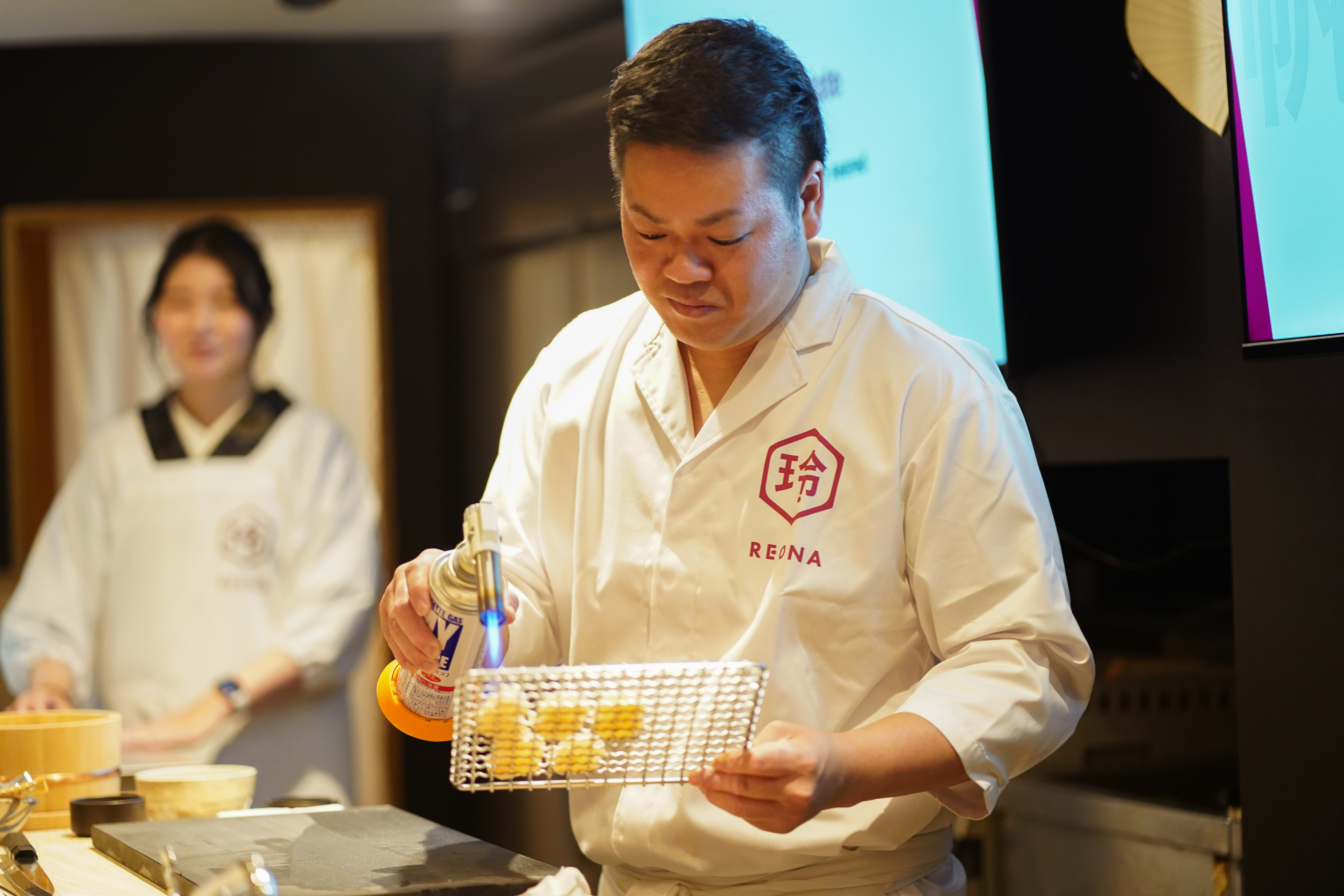
Having lived overseas myself, I've noticed an interesting contrast.
Many outstanding dishes outside Japan become exceptional by adding layers of flavor.
In Japan, however, many of our finest dishes become exceptional by taking things away.
Rather than adding complexity, Japanese cuisine often seeks to remove anything unnecessary until only the essence of the ingredient remains.
That is why experiencing Edomae sushi in Japan is much more than enjoying great seafood.
It is also an opportunity to experience one of the core philosophies of Japanese culture.
One of the biggest surprises for first-time visitors to a traditional sushi restaurant is hearing these words:
"You don't need to add soy sauce."
For many international guests, this feels completely unexpected.
Outside Japan, it's common to season sushi yourself.
Many people mix wasabi into soy sauce, dip the rice, and season each piece according to personal preference.
In Edomae sushi, however, the chef has often already completed the seasoning before placing the sushi in front of you.
Depending on the fish, the chef may:
Every choice is intentional.
The chef carefully considers the richness of the fish, its natural umami, and the balance with the sushi rice before deciding on the final seasoning.
Because of this, adding extra soy sauce can sometimes disrupt the balance the chef has carefully created.
For that reason, at REONA Sushi Tokyo, unless a guest specifically requests otherwise, we encourage everyone to trust the chef with the amount of wasabi, soy sauce, and other seasonings.

It's all part of creating the best possible balance in every bite.
At REONA Sushi Tokyo, we often tell our guests one simple phrase:
"It's all about the balance."
Although sushi may appear to be a simple dish, every piece is built upon countless carefully balanced elements.
The temperature of the fish.
The temperature of the sushi rice.
The pressure used to shape each piece.
The amount of seasoning.
Even the quantity of wasabi.
Every small decision influences the final flavor.
For example, even when serving different cuts of tuna, we adjust the amount of wasabi accordingly.
A richer, fattier cut can handle a little more wasabi, while a lean cut requires a lighter touch so that its delicate aroma isn't overwhelmed.
Likewise, some fish pair best with soy sauce, while others shine with nothing more than salt or a touch of citrus.
To many guests, these may seem like tiny details.
To a sushi chef, however, these details make all the difference.
That is why, at an authentic sushi restaurant, one of the most important ideas is simply to trust the chef.
This is also why omakase, which literally means "I'll leave it up to you," has become such a beloved dining style in Japan.
At REONA Sushi Tokyo, there is one word that lies at the heart of everything we do:
Rikai (Understanding).
You can certainly enjoy sushi without any explanation.
But understanding why a fish was chosen…
why it was prepared in a particular way…
and why it is served at that exact moment…
can completely change the experience.
Take tuna, for example.
Where was it caught?
Why did the chef choose this particular cut?
What preparation method brings out its best flavor today?
When you know the story behind a single piece of sushi, its value becomes far greater than the ingredients alone.
In many ways, it's similar to appreciating wine or art.
This doesn't mean that only experts can enjoy it.
Rather, understanding the background simply allows anyone to appreciate it more deeply.
We often notice an interesting change during our omakase course.
At the beginning, many guests quietly enjoy each piece without asking many questions.
But after hearing about the fish, the techniques, and the traditions behind the course, their curiosity begins to grow.
"What are we having next?"
"Why was this fish prepared this way?"
Little by little, the conversation becomes more interactive.

Before long, the meal no longer feels like simply eating sushi.
It becomes an opportunity to discover Japanese culture through food.
Many of our international guests tell us afterward,
"I never realized sushi could be this deep."
"This was completely different from the Sushi I've eaten before."
When eating and understanding come together, sushi evolves from a meal into a cultural experience.
That is the essence of what we call Rikai.
Tokyo is home to countless sushi restaurants.
From Michelin-starred establishments to beloved neighborhood favorites, you'll have no shortage of choices.
That's exactly why the most important question isn't simply:
"Where should I eat?"
It's:
"What kind of experience am I looking for?"
Are you simply hoping to enjoy an expensive sushi meal?
Is your goal to visit a famous restaurant you've seen online?
Or would you like to discover Japanese culture while experiencing sushi in a deeper, more meaningful way?
If it's the latter, we encourage you to look for an experiential omakase where you can interact with the chef, learn the stories behind each piece, and understand the traditions that shaped Edomae sushi.
Sushi is one of Japan's most iconic cultural treasures.
And an authentic sushi experience is about far more than eating fish.
It's about watching a craftsman at work.
Learning the culture behind each piece.
Understanding the traditions that have been passed down for generations.
And appreciating every bite with a new perspective.
That is what so many international guests are truly searching for when they look for an Authentic Sushi Experience in Tokyo.
At REONA Sushi Tokyo, our goal isn't to teach guests the "correct" way to eat sushi.
Of course, experiencing the traditional way of enjoying sushi can be fascinating and is a wonderful part of discovering Japanese culture.
But we don't expect our guests to eat exactly as Japanese people do.
What matters most to us is something else.
We want our guests to understand why each piece has been created the way it has.
Why the chef serves the sushi in a particular order.
Why one fish is lightly cured while another is simply seasoned with salt.
Once you understand the reasons behind these choices, you're free to enjoy the experience in your own way.
That is what Rikai means to us.
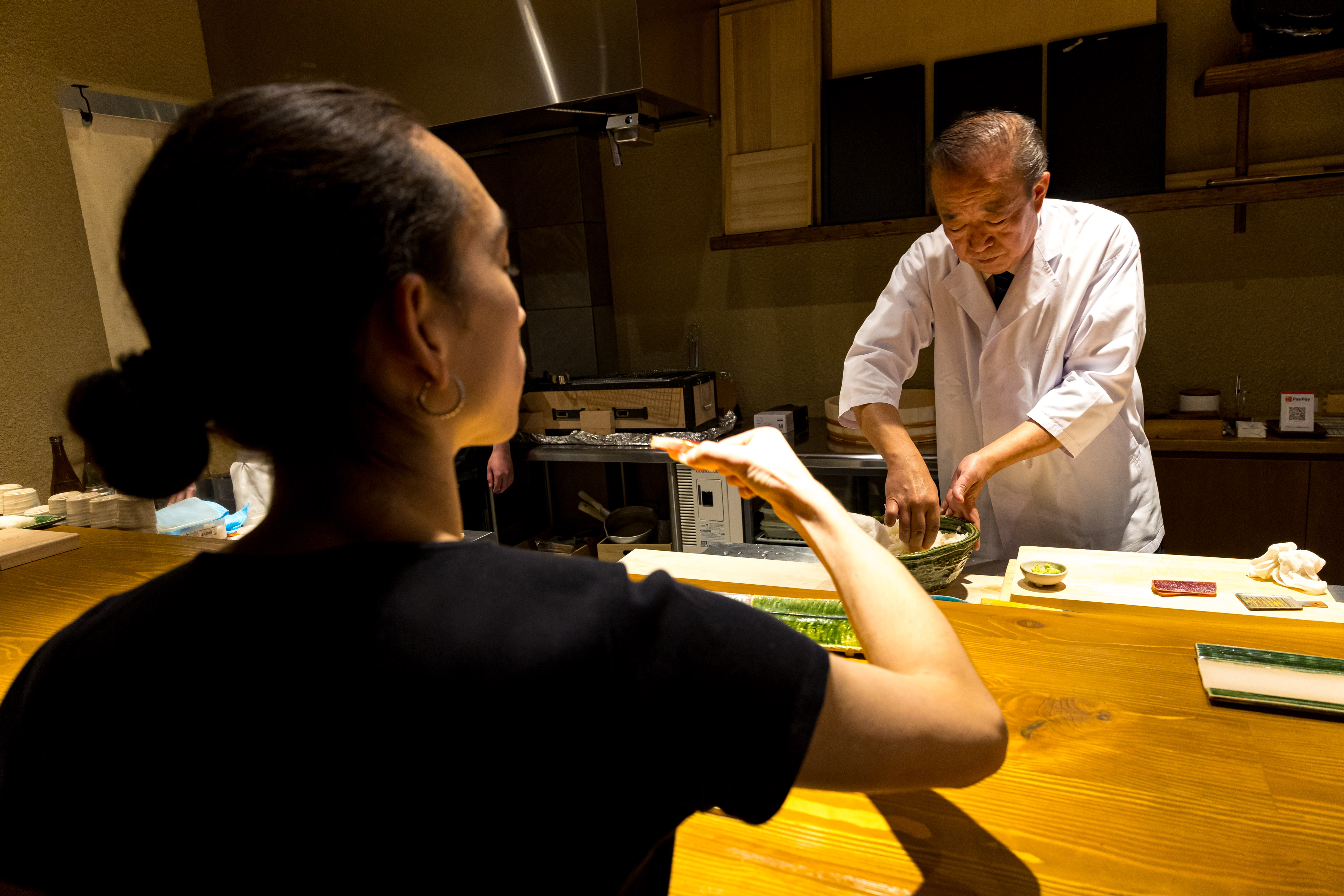
If you have the opportunity to enjoy sushi during your stay in Tokyo, we hope you'll look beyond the meal itself.
Take a moment to discover the culture, craftsmanship, and philosophy behind every piece.
You may find that your understanding of sushi—and perhaps even of Japan itself—changes forever.