
Please note: Reservations are required; walk-ins cannot be accommodated.
Please note: Reservations are required.
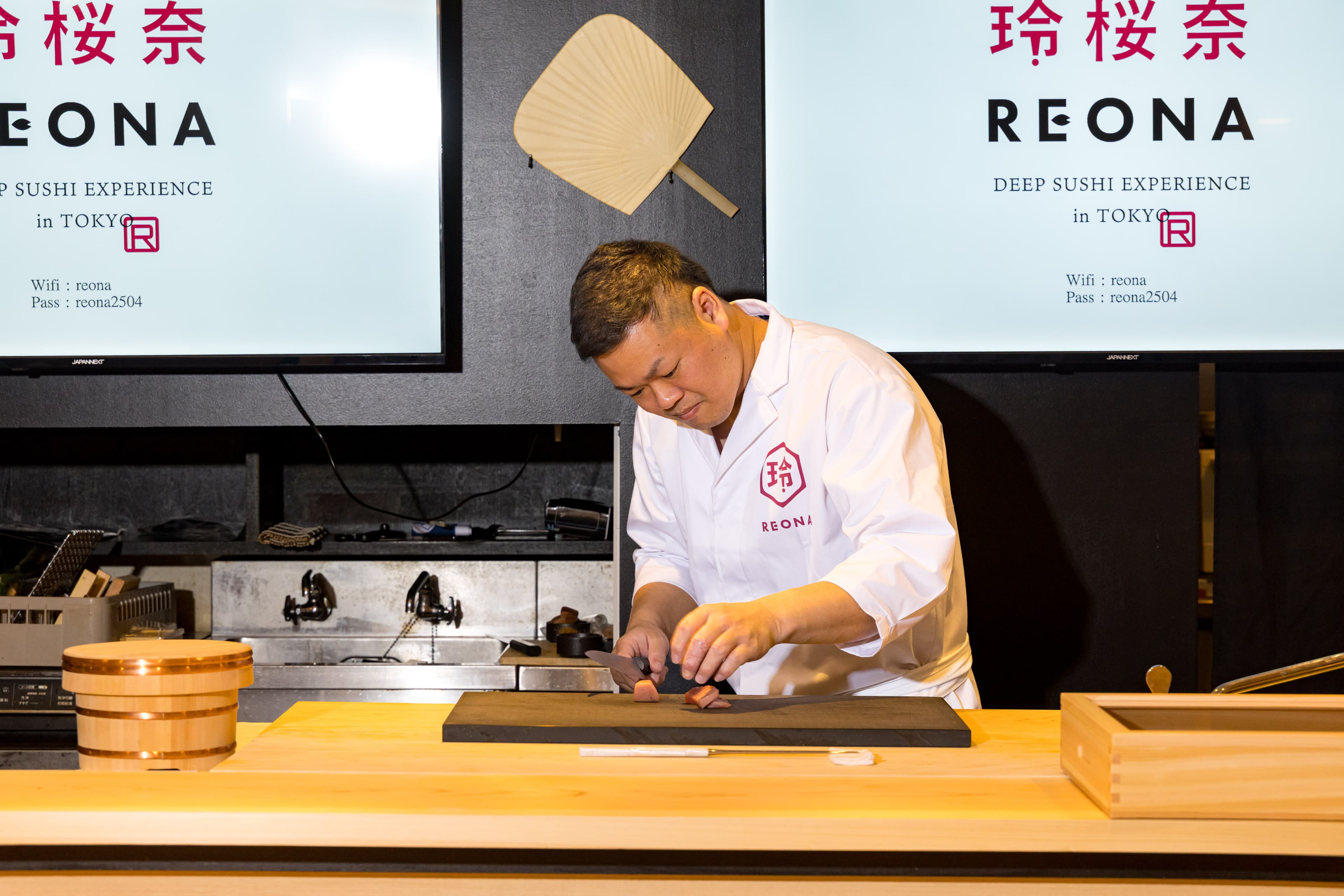

When people start looking for sushi in Tokyo, there is one word they often come across:
Omakase.
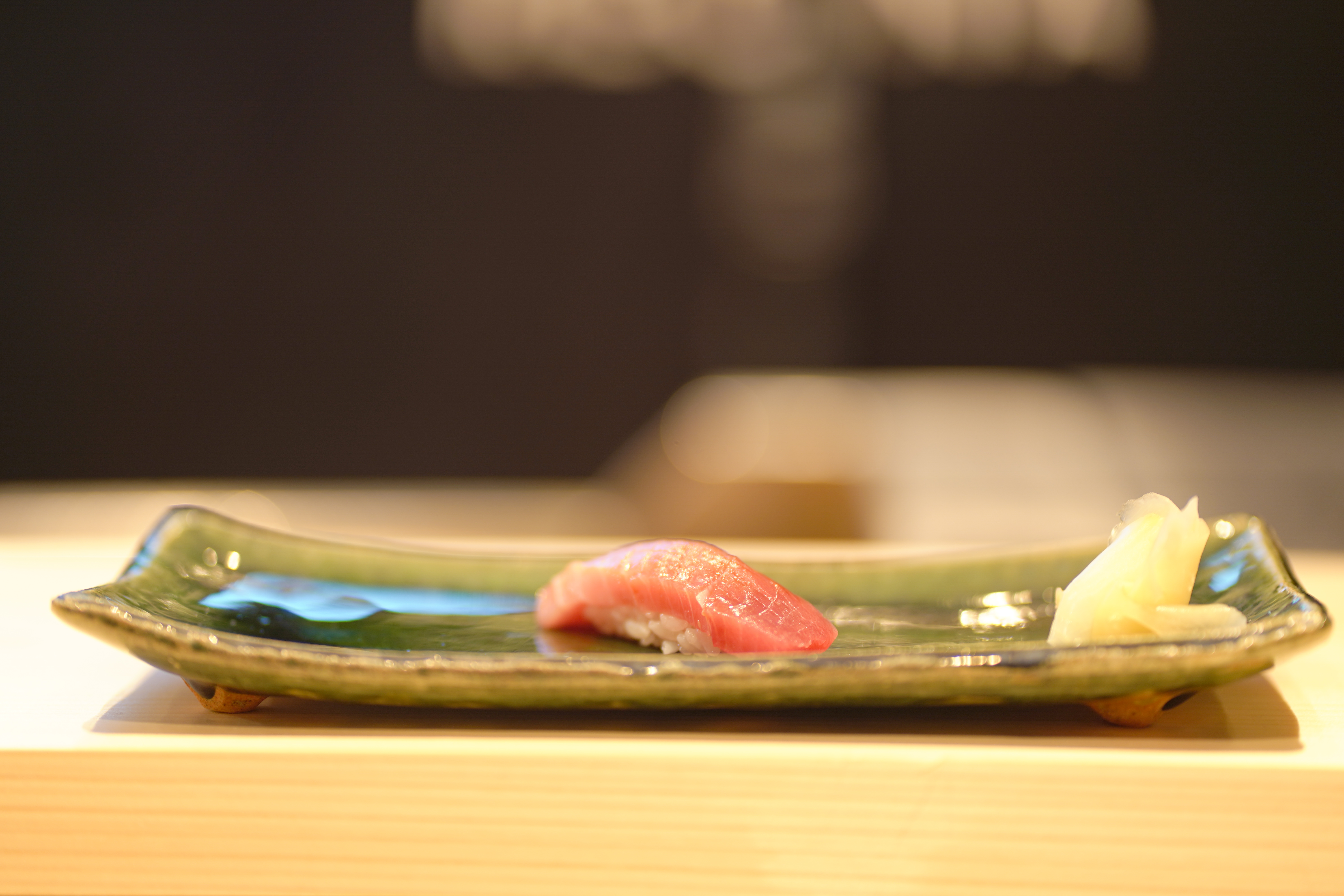
In recent years, the term has become widely known around the world. However, many travelers have still never experienced a true omakase meal in Japan. At the same time, many people feel intimidated by the idea. Will anyone speak English? How am I supposed to eat the sushi? What if I make a mistake? I'm nervous because I don't know what will be served. For first time visitors to Japan, the barrier can feel surprisingly high.
But I don't believe omakase should be viewed as a stressful luxury dinner. Sushi, especially Edomae sushi, is an extension of Japanese culture and traditions that have continued since the late Edo period. That is why I believe the experience becomes much more enjoyable when guests understand what they are eating rather than simply consuming it. By learning about the ingredients, techniques, and culture behind the sushi, visitors can gain a deeper appreciation not only for the food itself but also for Japan.
In this article, I'd like to share a few things that can help international visitors enjoy their first omakase sushi experience in Tokyo.
One of the most common concerns we hear from international guests experiencing omakase for the first time is, "What if I make a mistake?" or "Are there special rules at high end sushi restaurants?" The truth is that Japanese sushi culture does have its own customs and traditions. However, there is no need to feel overly nervous. Here are a few basic guidelines that can help you feel more comfortable when enjoying omakase sushi in Tokyo.

In traditional Edomae sushi, the chef has usually already completed the seasoning before serving each piece. The amount of soy sauce and wasabi is carefully adjusted according to the fish being served. Because of this, it is generally best not to add extra soy sauce or wasabi yourself. Of course, if you strongly prefer more seasoning, that is perfectly fine. However, we recommend trying the sushi exactly as the chef prepared it first.
Gari, or pickled ginger, is traditionally eaten between pieces of sushi. Its purpose is to refresh your palate so that you can enjoy the flavor of the next piece more clearly. Occasionally, some people eat large amounts of gari at once, but traditionally it is better enjoyed in small amounts throughout the meal rather than all at once.

When it comes to eating sushi, both chopsticks and hands are perfectly acceptable. However, in traditional Edomae sushi culture, eating with your hands is actually considered the more traditional style. At REONA, we often encourage guests to try eating sushi by hand if they feel comfortable doing so. Before the course begins, we also explain traditional sushi dining etiquette. Since you're already experiencing a traditional style of sushi, it can be fun to enjoy it the traditional way as well.
As a general rule, sushi is designed to be eaten in a single bite. The balance between the fish and the rice, as well as the way the sushi breaks apart in your mouth, has been carefully considered by the chef. If the sushi is bitten in half, that balance can be lost. It also affects the appearance of the sushi. The rice is intentionally formed with a very delicate texture, and if you bite the sushi in half, it may fall apart. In many cases, the fish itself can also be difficult to bite through cleanly. For these reasons, we recommend enjoying each piece in one bite whenever possible.

There is a traditional idea in omakase that sushi should be eaten soon after it is served. Sushi is at its best the moment the chef finishes preparing it. This is especially true for the rice, whose temperature changes within just a few minutes. Taking photos is completely fine, but it is best not to leave sushi sitting on the counter for too long before eating it.
Finally, one of the most important forms of etiquette at Japanese sushi restaurants is being mindful of scent. Strong perfumes and heavily scented fabric softeners can interfere with the delicate aromas of fish and sushi rice. This is considered important not only at sushi restaurants but also at many fine dining establishments throughout Japan. You do not need to memorize every rule perfectly. What matters most is having a genuine interest in Japanese food culture and showing respect for the food and the people preparing it.
In most restaurants, guests look at a menu and decide what they want to eat. Omakase is a little different. The word omakase means "I leave it up to you." If you would like to learn more about the meaning and philosophy behind omakase, we recommend reading our separate article on the topic. In that article, REONA's Culinary Chef Hishiya explains omakase in greater detail.
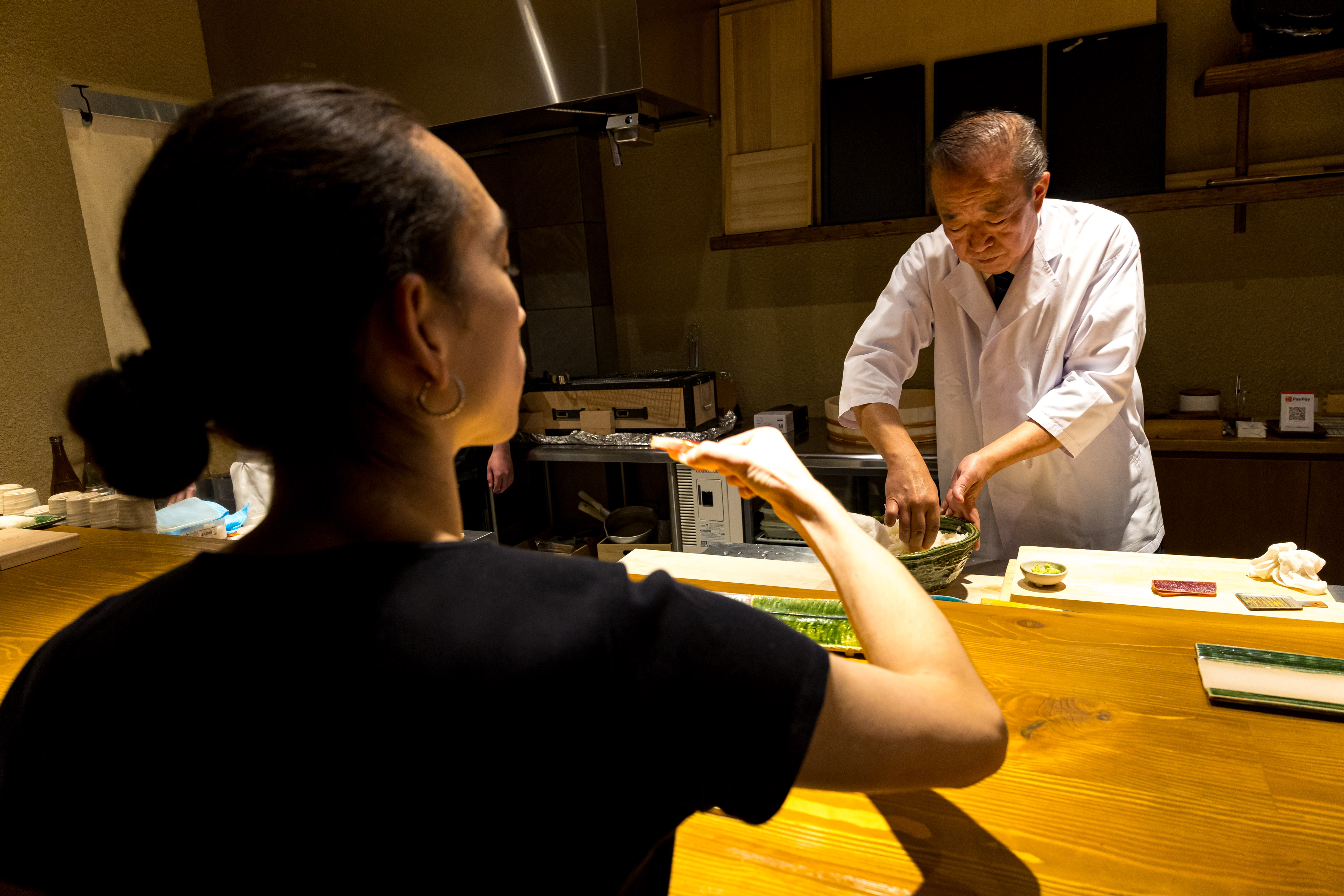
He is also known for helping establish the modern omakase style in Tsukiji.
In omakase, guests are not deciding what they want to eat. Instead, they are entrusting the entire experience to the chef. The best fish available that day. The season. The flow of the course. The balance of flavors. Even the pace at which the guest is eating. All of these elements are considered as the course is built. That is why omakase is not simply a sushi set. It can feel more like a story unfolding one piece at a time. It is a course meal, but it is also a live experience. That is part of what makes omakase so interesting.
Many sushi chefs pay close attention to their guests throughout the meal. They watch how quickly guests eat. They notice facial expressions. They listen to conversations. They observe which pieces seem to generate the most interest. Depending on those reactions, the conversation and explanations may naturally change. The pace of eating is especially different from person to person. Some guests like to slowly enjoy every piece. Others excitedly ask, "What's next?" as they move through the course. The chef and navigator naturally adjust the pace of conversation depending on the guest sitting in front of them.
For example, kombu cured hirame is a piece that often creates very different reactions.
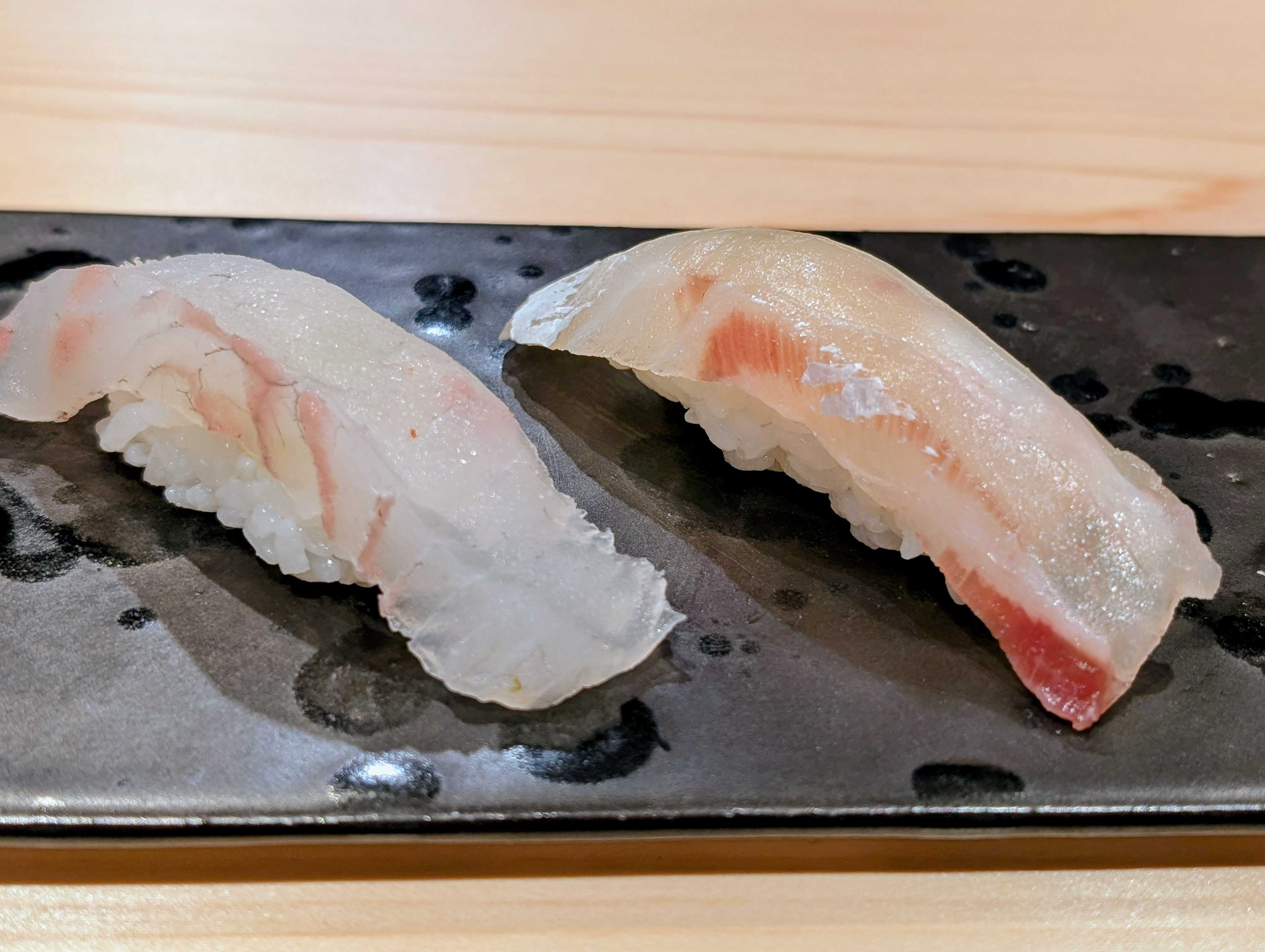
Many Japanese guests love it. In fact, our navigator Kamei often says it is his favorite piece in the entire course. Among international guests, however, reactions are often divided. Some people love it immediately. Others tell us they may have preferred fresh hirame. When guests show interest in the piece, we sometimes explain the hidden flavors created by kombu curing and the traditional Edomae techniques behind it. Experiencing omakase in Tokyo is not simply about eating expensive fish. It is also about enjoying the time, conversation, and interaction that take place across the counter.
At REONA Sushi Tokyo, we welcome many international guests who are experiencing omakase for the very first time. Over the years, we've noticed that many of their concerns are surprisingly similar.
The first is the fear of making a mistake.
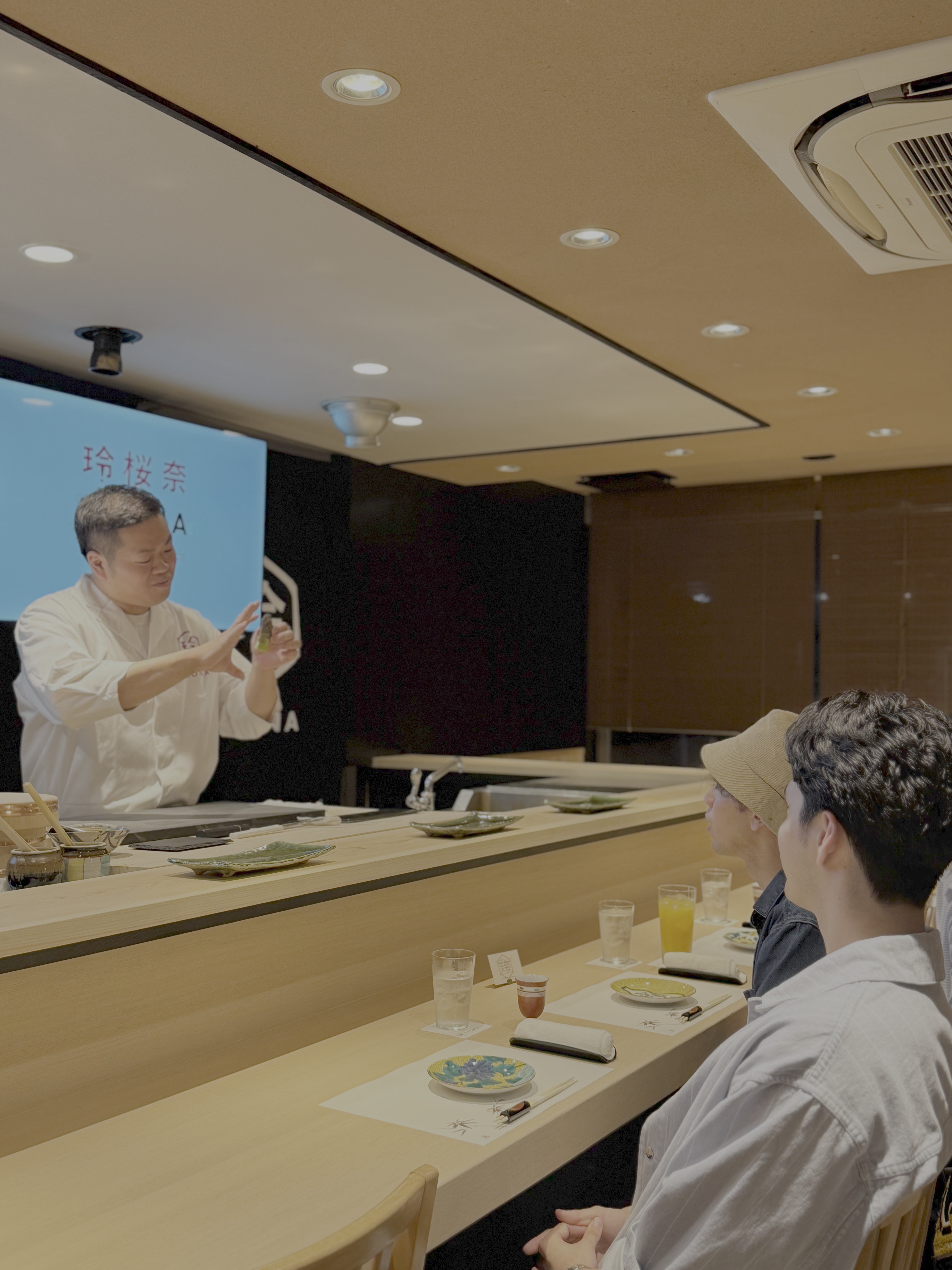
Guests often ask whether they should add soy sauce themselves, how much wasabi is inside the sushi, or whether it is acceptable if they are not confident using chopsticks. These questions come up all the time. Fortunately, there is usually no need to worry as much as people think.
In Edomae sushi, most pieces are already seasoned by the chef before they are served. At REONA, different toppings are finished with different seasonings depending on the fish and the preparation. Some pieces may use nikiri soy sauce. Others may be finished with salt, yuzu, sudachi, or traditional eel sauce. Because the seasoning has already been adjusted for each piece, the sushi is usually at its best when eaten exactly as it is served. And when it comes to eating style, both chopsticks and hands are perfectly acceptable. In fact, if guests feel comfortable doing so, we often encourage them to try eating sushi by hand to experience a more traditional side of Edomae culture. Perfect etiquette is not what matters most. What matters is approaching the experience with curiosity and respect.
The second concern is not knowing what they are eating. In sushi restaurants that operate only in Japanese, international visitors can sometimes feel left behind. They may not know what fish is being served, where it was caught, or why it has been prepared in a particular way. Without that context, the experience can feel much more limited.
One piece that often requires explanation is kohada.

Kohada is one of the classic fish of traditional Edomae sushi, yet very few international guests would choose it on their own. It does not fit the image of sushi that many visitors have before arriving in Japan. Nevertheless, at REONA we always serve kohada because of its importance within Edomae sushi culture. At first glance, it may seem like a simple fish. But once guests learn about its history, the vinegar curing process, and the knife techniques used to prepare it, the experience often changes. Instead of simply tasting a fish, they begin to understand a piece of sushi culture that has existed for generations.
The third concern is not knowing whether it is acceptable to talk during the meal. Many people imagine that high end sushi restaurants are extremely quiet places where guests should avoid speaking to the chef. In reality, many sushi chefs genuinely enjoy interacting with guests and sharing their knowledge. Most of them want people to become more interested in sushi.
However, sushi chefs are also focused on preparing each piece, and many do not speak English. That is one reason why REONA has a dedicated navigator and host in addition to the chef.

Our navigators are bilingual in Japanese and English. They explain the history and background of the sushi, communicate guests' questions to the chef, and help translate the chef's answers back into English. Their role is to bridge the gap between cultures and make communication easier. Because of that, questions and conversations are always welcome. Opportunities to speak directly with a sushi chef are actually quite rare, so we encourage guests to be curious and ask whatever they would like to know.
The fourth concern is portion size. Some guests worry that the course may be too much food, while others worry it may not be enough. At REONA, our signature course includes fourteen pieces of sushi plus several additional items, and most guests find it to be a comfortable amount. At the same time, everyone has a different appetite.
If a guest begins to feel full during the meal, we can adjust the size of the rice and make smaller pieces as the course progresses. For children, we sometimes prepare smaller portions from the beginning. In fact, children are welcome at REONA. Guests can enjoy our Signature Course from the age of three, and the youngest omakase guest we have ever welcomed was three years old.
Traveling with children? We've put together more information about enjoying omakase at REONA with kids, including what to expect during your visit.
The fifth concern is perhaps the most personal one. Many international visitors worry that they do not belong in a traditional Japanese sushi restaurant.
Japan has many unwritten social rules. People generally avoid speaking loudly in restaurants. Strong perfumes are discouraged. Guests are expected to be considerate of those around them. Perhaps most uniquely, Japan has a culture of reading the atmosphere and understanding expectations that are not always explained directly.
For visitors, this can sometimes create the feeling that there are hidden rules they do not know. While that uncertainty can be part of the excitement of traveling abroad, it can also make people feel uncomfortable or out of place.
At REONA, however, approximately 99 percent of our guests come from overseas.

Many of our navigators have lived abroad themselves and understand what it feels like to experience an unfamiliar culture for the first time. While we value Japanese hospitality and traditions, we also work hard to make sure international guests feel welcomed rather than intimidated. Our goal is not to test whether someone knows Japanese customs. Our goal is to help them enjoy Japanese culture through sushi.
At REONA Sushi Tokyo, every course is conducted in English. However, what matters to us is not simply the ability to speak English.
What matters is helping guests understand sushi.
Why does a particular fish require preparation before serving? Why is the sushi rice slightly warm? Why does one piece contain more wasabi than another? Why is one fish cured while another is served fresh?
When guests understand the reasons behind these decisions, their experience of the sushi often changes dramatically.
For that reason, the role of a REONA navigator goes beyond language. We expect our navigators not only to communicate in English but also to understand the cultural background of our guests and explain sushi in a way that makes sense to them. Every guest arrives with a different level of knowledge and a different set of expectations. Part of our job is recognizing those differences and adapting the experience accordingly.
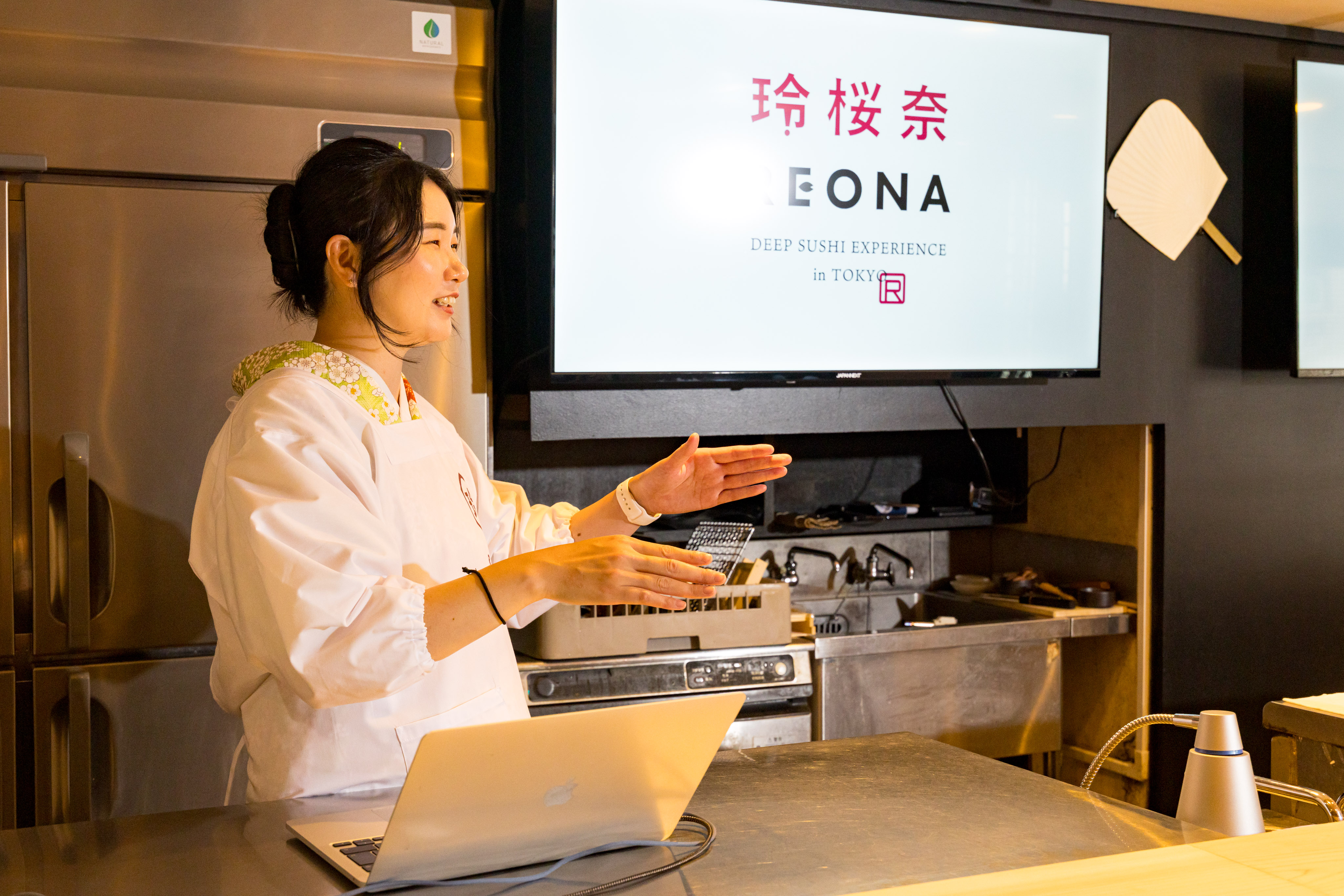
One thing that surprises many international visitors is how carefully every aspect of sushi has been considered. It is not only about the fish. Temperature. Aroma. Moisture. Texture. Timing. Every detail matters.
Because explanations are given in English, guests naturally become more comfortable asking questions. What fish is this? Why is this one smoky? Why don't we use soy sauce here? Conversations like these happen every day at our counter.
As those conversations grow, the meal becomes something more than simply eating sushi. It becomes a chance to understand the craftsmanship, traditions, and culture behind it.
And to us, that is one of the most meaningful parts of an omakase experience.