
Please note: Reservations are required; walk-ins cannot be accommodated.
Please note: Reservations are required.


REONA Sushi Tokyo is a sushi restaurant where guests can enjoy Edomae sushi while learning about the techniques and culture behind it, as well as interacting with our sushi chef.
What we offer is more than simply a meal of delicious sushi.
We believe the experience also includes listening to explanations about the food, asking the chef questions, and discovering more about Japanese food culture.
Of course, serving delicious food is essential for any restaurant.
However, food quality is not the only factor guests consider when evaluating a restaurant.
From the first interaction before making a reservation to the moment they finish their meal and leave the restaurant, every part of their experience contributes to their overall satisfaction.
In this article, we would like to share four aspects of guest satisfaction that we focus on in our daily service at REONA, beyond the quality of the food itself.
First and foremost, pursuing food quality is essential for any restaurant.
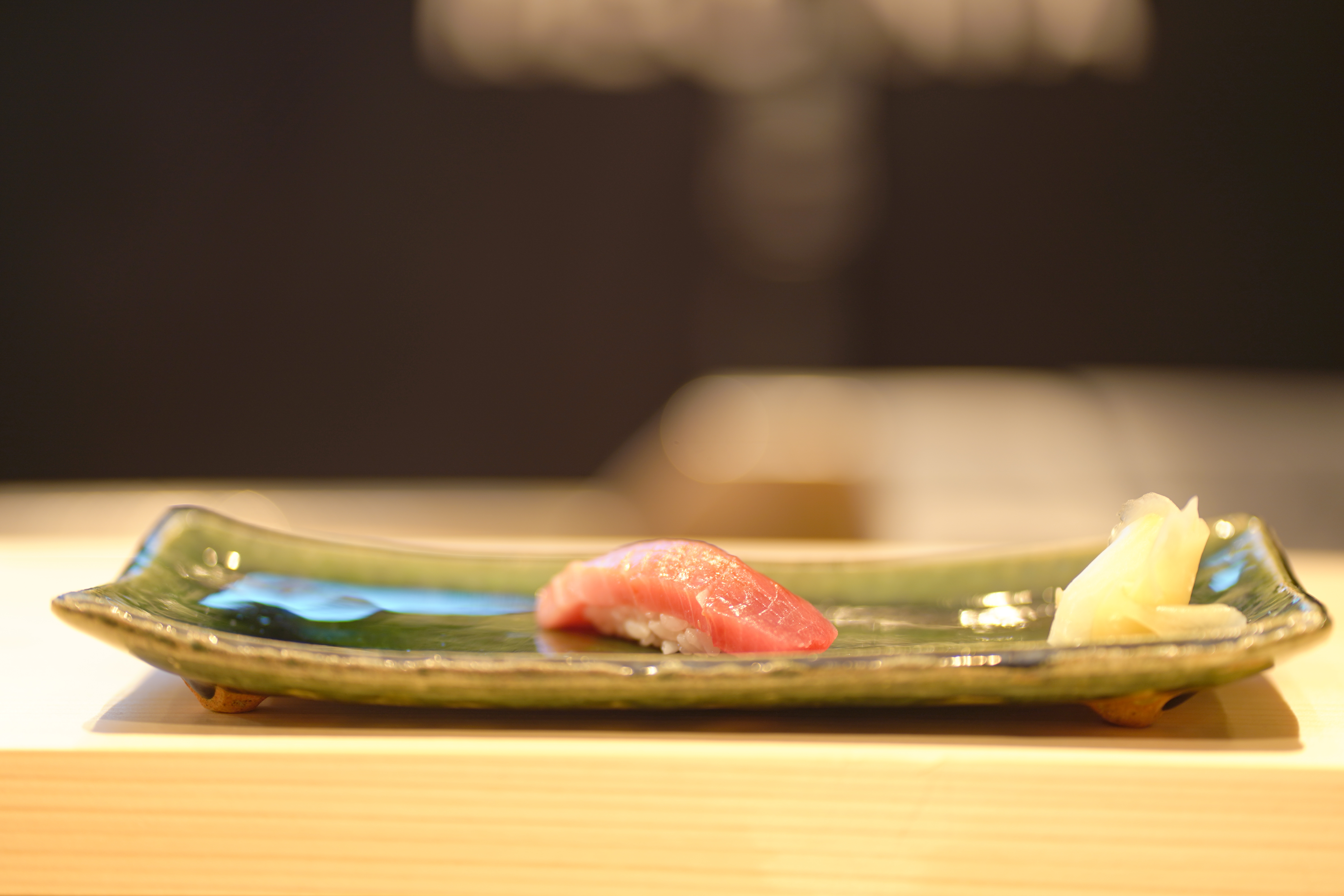
In Japan especially, the overall standard of restaurant food is high, and many international visitors are often surprised by the quality of the meals they enjoy here.
I personally enjoy dining at restaurants in Japan, and I feel that there are many places where the quality of the food is remarkably high compared with the price.
When speaking with guests from overseas, I often hear how impressed they are by the standard of food in Japan. Many visit several restaurants during their trip and are amazed by the quality of what they are served.
At the same time, Tokyo has countless sushi restaurants offering high-quality sushi.
For guests, choosing a restaurant based on the deliciousness of the sushi alone may not be easy.
That is why we place just as much importance on asking ourselves what makes the experience at REONA unique as we do on pursuing the quality of our food.
At REONA, we provide explanations about Edomae sushi techniques and traditions, while also creating opportunities for guests to interact with our sushi chef.
For example, guests who are already familiar with eating sushi may find it particularly interesting to learn about the chef’s techniques and the preparation behind each piece.
On the other hand, for guests experiencing authentic Edomae sushi for the first time, simply watching the chef prepare sushi right in front of them and learning about the background of something they may have eaten many times before can be a completely new experience.
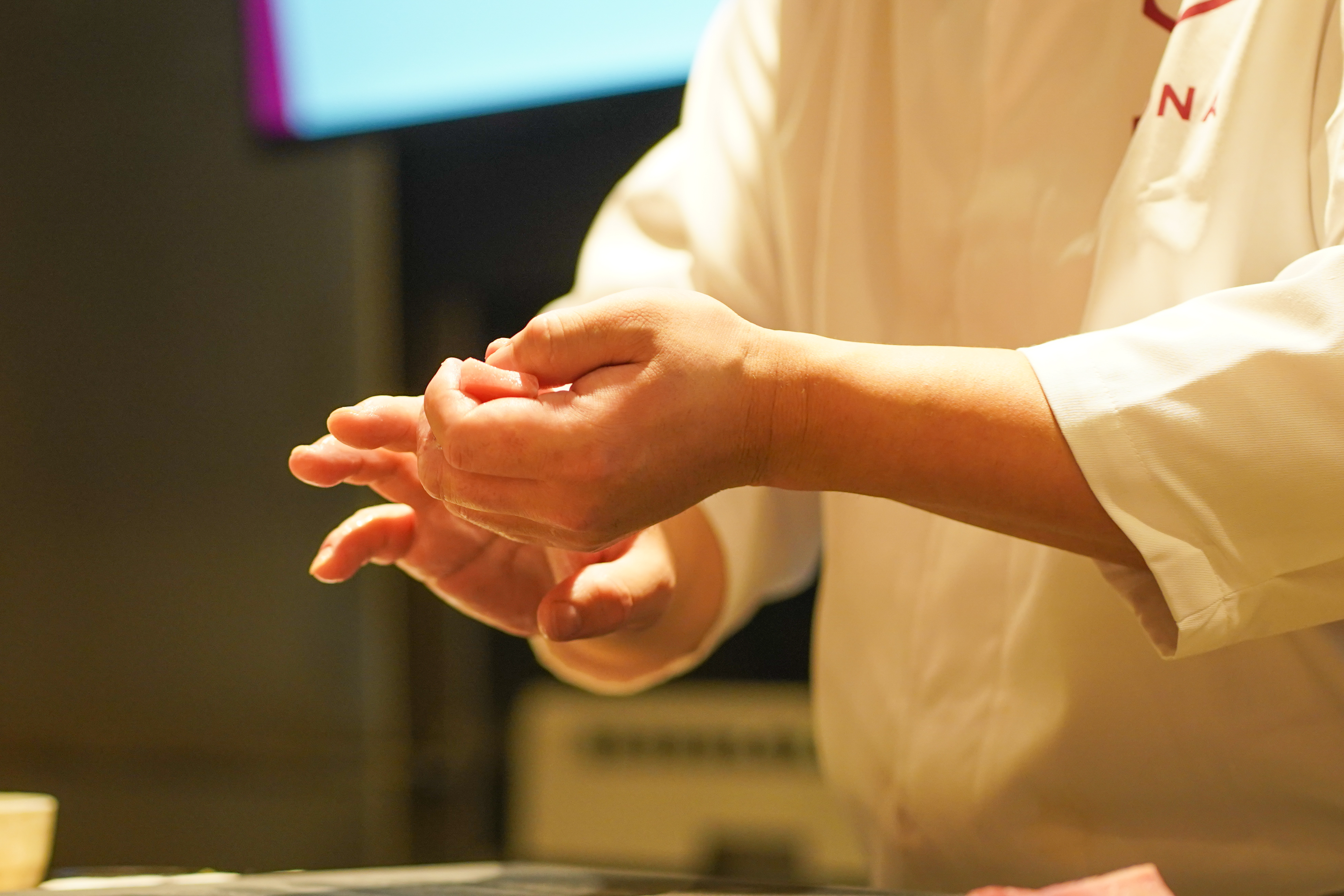
Even when we serve the same dishes, each guest has different interests and enjoys the experience in their own way.
Of course, improving the quality of our food is important. But what additional value can we offer alongside it?
Thinking about what makes the REONA experience unique is an important part of what we do.
We believe that guest satisfaction does not begin when someone walks through our doors.
The experience has already started by the time they are considering making a reservation.
For international visitors planning a trip to Japan, booking a restaurant can come with some uncertainty, especially when there are language and cultural differences to navigate.
Will they understand the menu? Can the restaurant accommodate their allergies or dietary restrictions? Is it suitable for bringing children?
Every guest has different questions they may want answered before making a reservation.
We do our best to respond to these inquiries with clear and specific information.

For example, when someone contacts us about dietary restrictions, we do not simply answer with a yes or no. Instead, we check which ingredients they need to avoid and which dishes may be affected, then explain the details to them.
For guests requesting gluten-free options, for instance, we ask specific questions to understand exactly what they need.
Would using gluten-free soy sauce be sufficient? Do they also need to avoid any risk of cross-contamination? Or would they simply like us to omit the items prepared using regular soy sauce?
By asking these questions, we can understand their needs and determine what we can realistically accommodate.
We have also created a dedicated gluten-free information page on our website to explain our approach in detail.
For many guests, dining at a restaurant in Japan may be one of the experiences they have been looking forward to most during their trip.
That is why we believe it is important to explain what their meal will actually involve before they arrive, rather than simply giving answers that make it easier to secure a reservation.
If we determine that we cannot adequately accommodate a guest's requirements from a safety perspective, we may have to decline the reservation.
Even if this means turning down a booking, providing accurate information in advance is one way we can demonstrate our sincerity and respect for our guests.
The same approach applies to families dining with young children.
At REONA, we have special conditions for guests bringing children aged two or under.
One reason is that we want to protect the experience of our other guests. However, we are also concerned that parents may spend so much time worrying about their children that they are unable to enjoy the sushi experience themselves.
For this reason, we often offer these families a private or semi-private session.
We may need to discuss the conditions of the visit in detail, ask about the children's meals, or talk through how the family would like to spend their time at the restaurant.
Even if it takes several rounds of emails to work everything out, we make sure to communicate carefully until the guests understand and are comfortable with the arrangements.
Our goal is not simply to secure a reservation.
Helping guests resolve their concerns and questions before they arrive, so they can enjoy their meal with peace of mind, is also an important part of the service we provide.
Once guests arrive at the restaurant, it is important to create an environment where they can focus on their meal and enjoy the experience to the fullest.

To achieve this, we need to pay attention not only to the quality of the food and service, but also to what guests may be unsure about or concerned about throughout the meal.
At REONA, for example, we sometimes explain how to enjoy certain types of sushi or introduce the ingredients we use. However, not every guest has the same level of knowledge or experience with sushi.
Some guests eat sushi regularly, while others are experiencing authentic Edomae sushi for the first time.
On one occasion, we noticed that a guest seemed a little unsure during a wasabi tasting.
They were not quite sure how to try it or whether they were allowed to use chopsticks.
In situations like this, simply saying, "Please feel free to use your chopsticks," can be enough to put a guest at ease.
Something that feels completely obvious to us may be unfamiliar to someone experiencing it for the first time.
I believe it is important not to leave small questions or uncertainties unaddressed, but to observe each guest's reactions and offer explanations when needed.
Another important aspect of our service is that, even when the sushi chef does not speak English, our navigator can help guests communicate directly with the chef.
The navigator's role is not limited to translating explanations about the food.
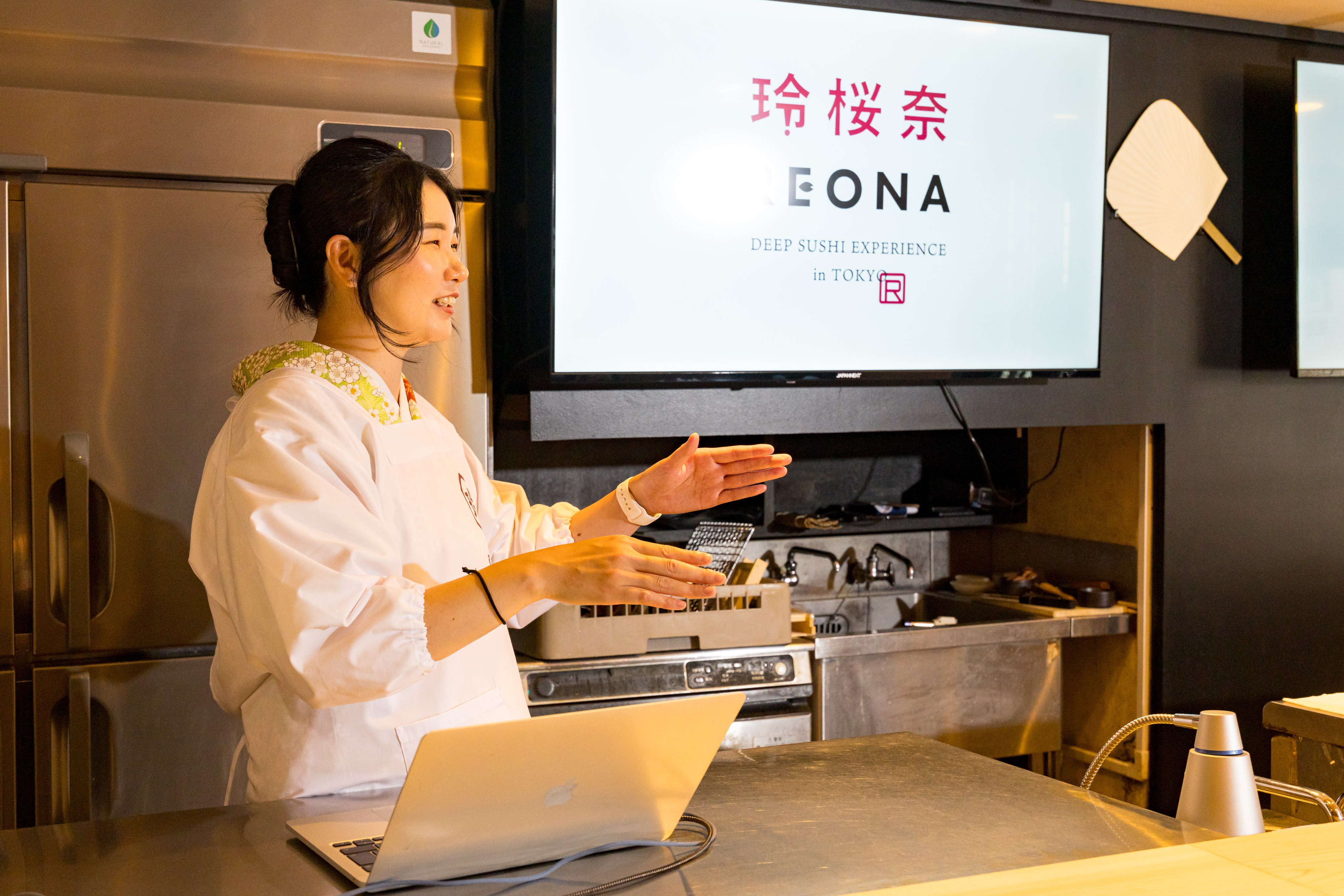
We also help create communication between guests and the chef by passing along guests' questions and comments, and sharing the chef's explanations and thoughts with them.
After all, when guests are sitting at the sushi counter, face-to-face with the chef, we want them to enjoy more than simply receiving and eating each piece of sushi. We want them to enjoy interacting with the person who made it, too.
Of course, not every guest wants to have an active conversation.
Some prefer to enjoy their meal quietly, while others are eager to ask lots of questions about sushi.
What matters to us is not delivering a fixed explanation to everyone in exactly the same way, but adjusting our service according to each guest's reactions and interests.
Even when we serve the same course, different guests may be looking for different experiences.
We believe that recognizing these differences and creating an experience that suits each individual helps reduce small sources of stress and leads to greater overall satisfaction.
When guests finish their meal and leave the restaurant, one thing we hope they feel is that they made the right choice in visiting us.
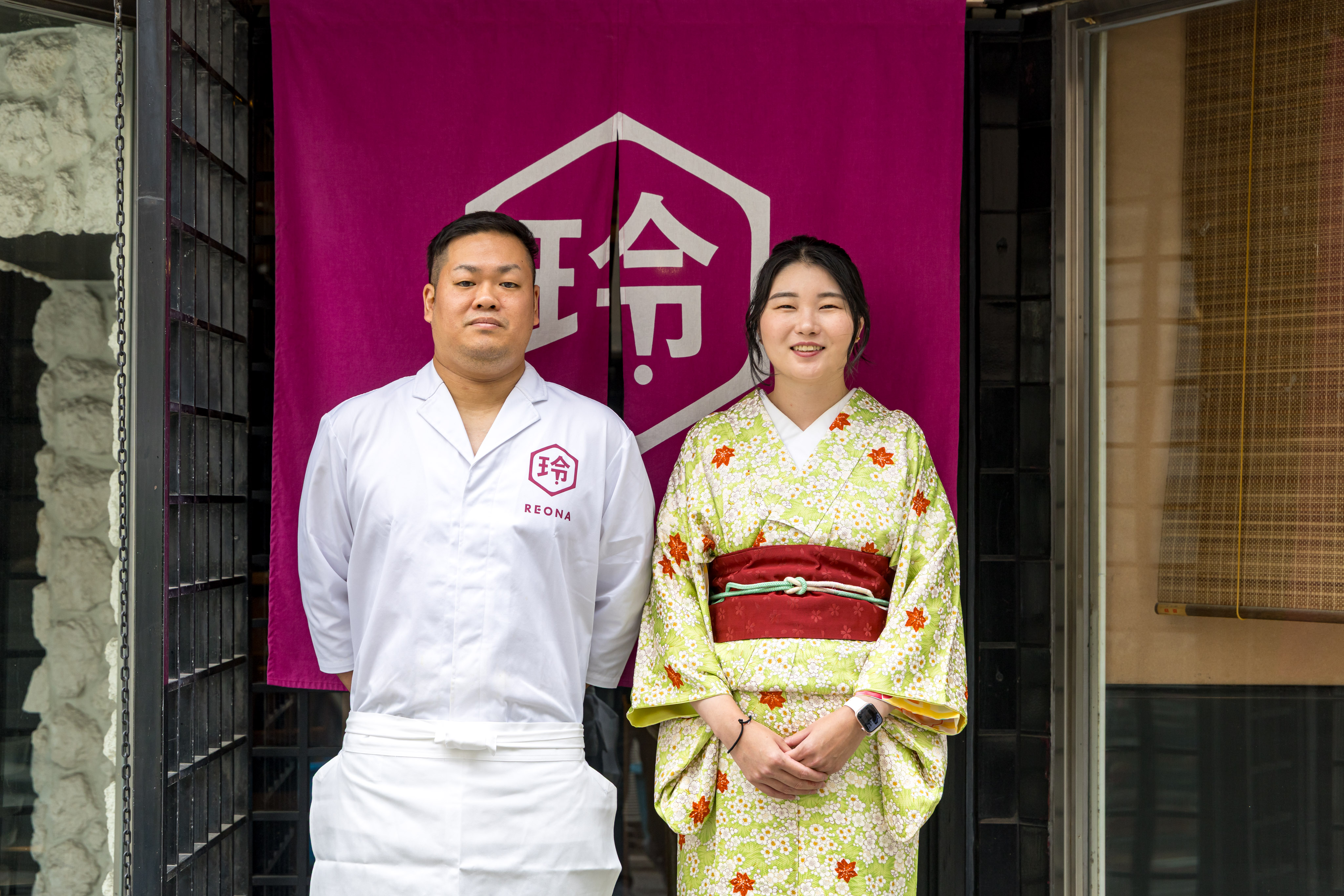
Of course, hearing that the food was delicious makes us very happy.
But when guests also tell us things like, "We had such a great time," "The conversations with the chef were fascinating," or "I learned something new about Japanese sushi," we feel that we have successfully shared the kind of experience we want REONA to offer.
Receiving a 5-star review online is also a great source of encouragement for us.
However, there is something especially rewarding about hearing a guest tell us directly during service that they had a wonderful time.
We cannot know exactly what every guest is looking for from the beginning.
That is why we value every interaction, from the emails exchanged before a reservation to the expressions and reactions we observe during the meal.
There is always room to improve the quality of our food. In the same way, I believe there is always more we can do to create a better experience for our guests.
We want guests to leave with more than just the impression that the sushi was delicious. We want them to feel that they were glad they chose REONA.
To make that happen, we will continue to value every part of the guest experience, from the moment they first contact us to the moment they leave our restaurant.
Because at REONA, guest satisfaction is about much more than what is served on the plate.